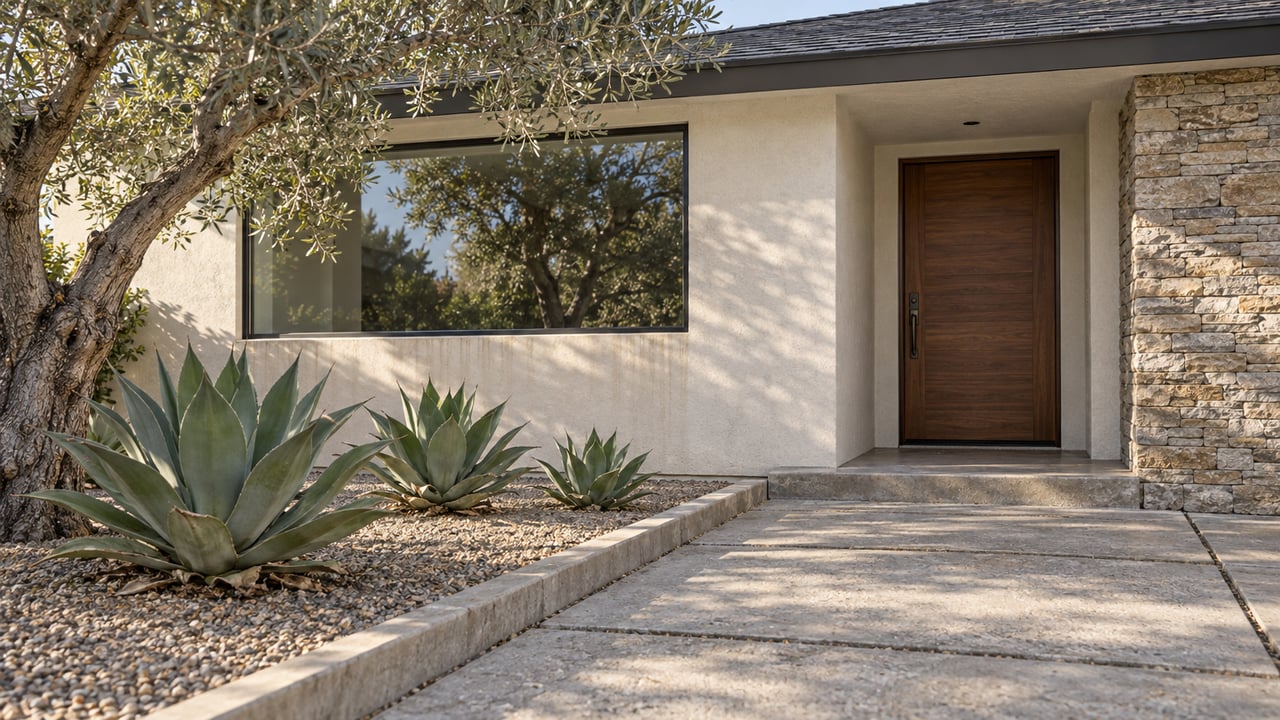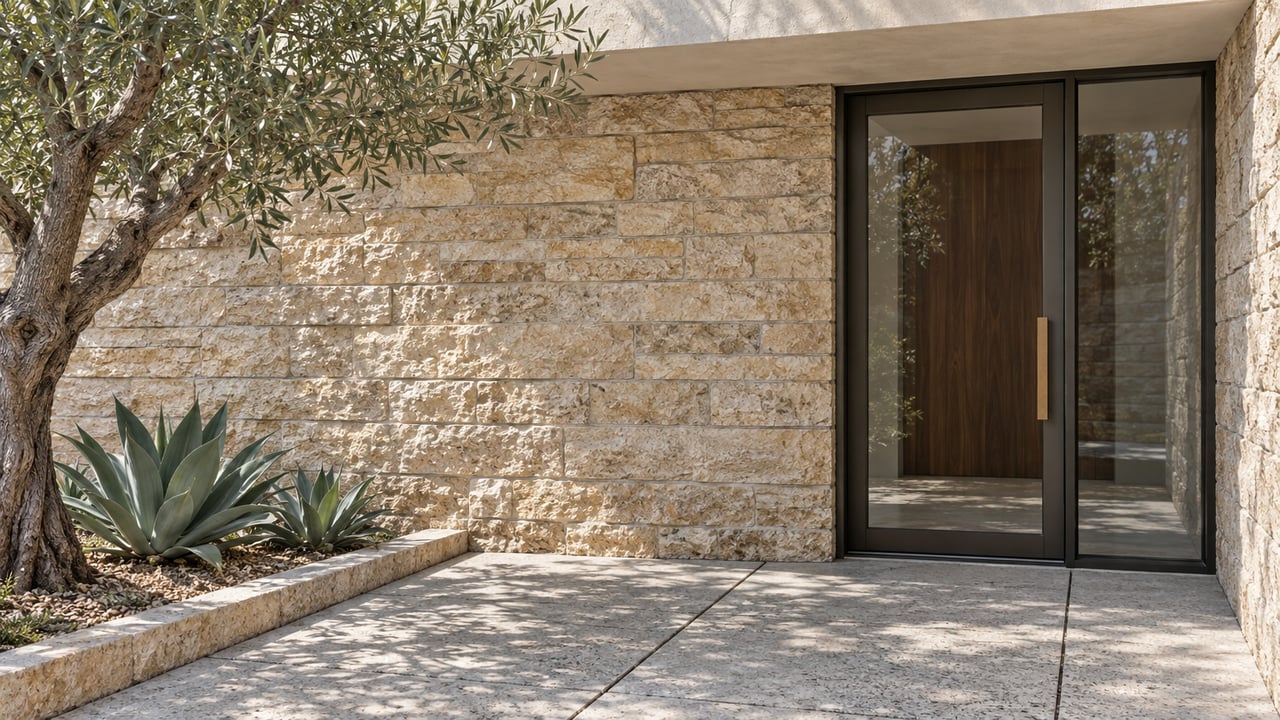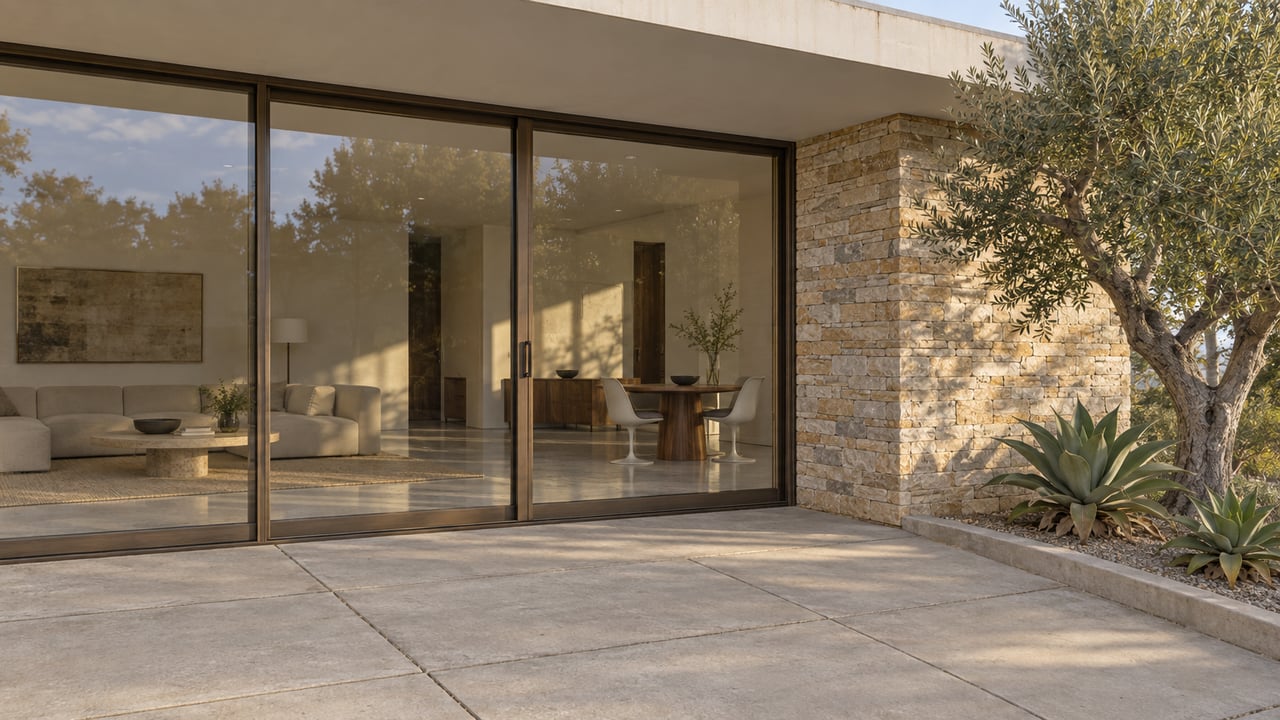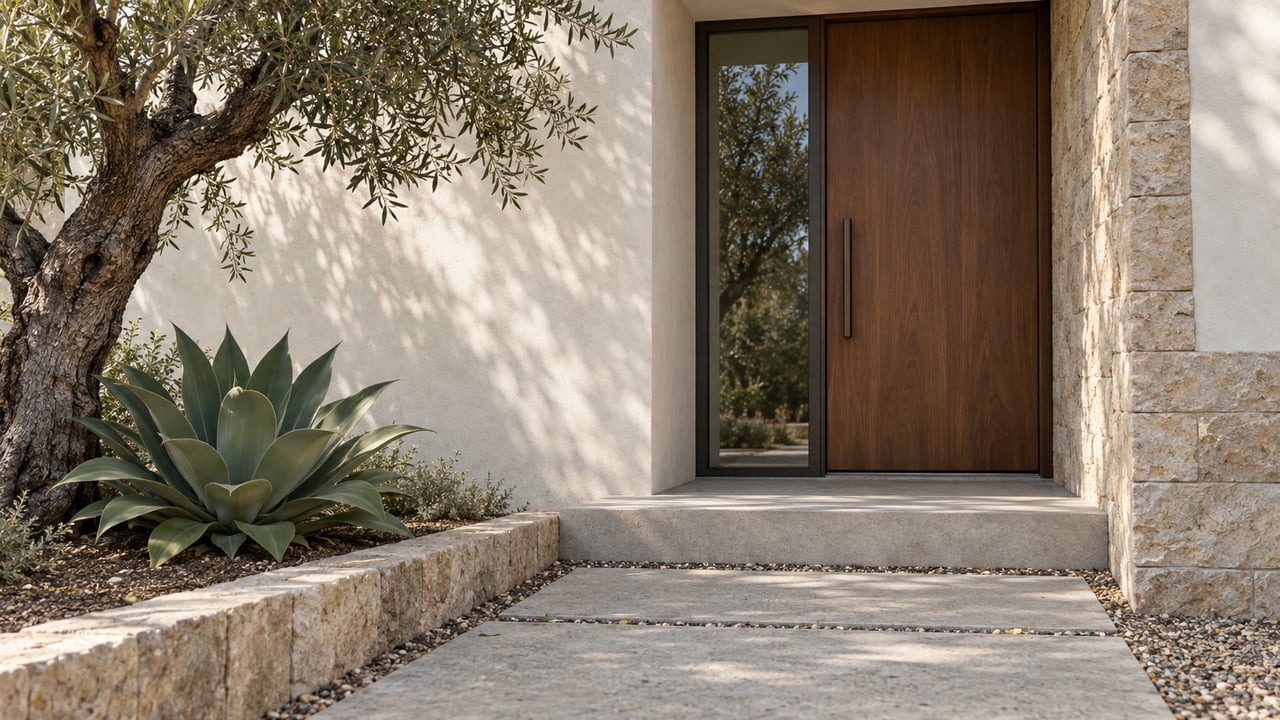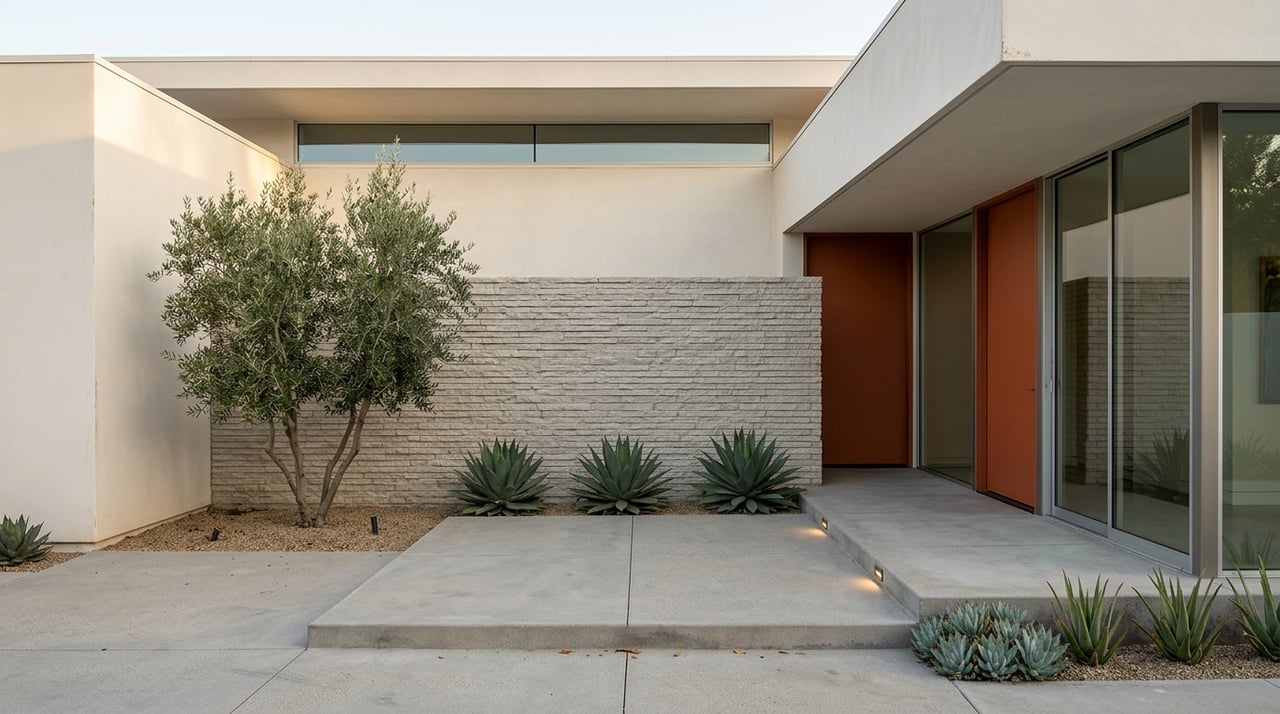
If you are selling an architectural home in the Hollywood Hills, a standard listing rollout is rarely enough. Buyers in this pocket of Los Angeles often respond to the full experience of a property: the design, the siting, the views, and the way the home lives on the hillside. When those pieces are presented clearly and credibly, your launch can feel far more compelling. Let’s dive in.
Why Hollywood Hills marketing is different
In the Hollywood Hills, architecture is often inseparable from setting. Local landmarks like the Chemosphere and the Stahl House are celebrated not just for their design, but for the dramatic way they occupy steep sites and capture views. That matters because buyers often see a hillside architectural home as a complete composition, not just a house with upgraded finishes.
That is one reason a design-led launch works so well here. Your marketing should treat authorship, structure, materials, sightlines, and site placement as core value drivers. In other words, the story is not simply about square footage or room count. It is about how the home relates to the land and the Los Angeles landscape around it.
Start with local due diligence
Before photography, staging, or pricing conversations move too far, it helps to confirm the property’s planning context. The City of Los Angeles notes that the Hollywood Community Plan includes several hillside and preservation-related overlays, including the Hillside Construction Regulation, the Hollywoodland Specific Plan, the Mulholland Scenic Parkway Specific Plan, and historic preservation overlay zones.
These rules can affect what can be altered, what may be protected, and what should or should not be highlighted in marketing. If your home falls within one of these areas, you want your listing materials to be accurate and well supported from the start. Strong presentation begins with clean information.
What to verify before launch
A focused pre-list review should confirm whether the property is located within:
- a Hillside Construction Regulation area
- a historic preservation overlay zone
- a specific plan area such as Hollywoodland or Mulholland Scenic Parkway
- any mapped area where development or design controls may affect buyer expectations
This step is especially important in hillside locations, where buyers may ask detailed questions about additions, renovations, view relationships, access, and future potential. Clear answers build trust and reduce friction later.
Gather the property story early
For an architectural home, documentation is part of the marketing asset. If the property has known architect attribution, restoration records, permit history, or preservation-related paperwork, gather it before the listing goes live. In a design-driven market, pedigree and integrity can shape how buyers perceive value.
This does not mean every home needs a famous name attached to it. It means the more clearly you can show what the home is, how it has been maintained, and what makes it distinct, the stronger your launch will feel. Good marketing is often good editing.
Useful materials to organize
Before the campaign begins, try to assemble:
- permit records for major work
- architect or designer attribution, if documented
- restoration or renovation history
- plans, elevations, or archival imagery, if available
- any landmark or historic-district documentation tied to the property
These details can help shape the listing narrative, support buyer confidence, and guide how the home is photographed and introduced to the market.
Address hillside and wildfire readiness
In the Hollywood Hills, buyers often look beyond finishes and ask practical questions about the site. Wildfire exposure, defensible space, driveway access, and visible maintenance can all influence first impressions. That is why visible preparation matters.
CAL FIRE states that Fire Hazard Severity Zone maps are based on factors such as fuels, terrain, weather, fire history, and ember movement. Ready for Wildfire guidance also notes that defensible space can extend up to 100 feet from the home, with Zone 0 covering the 0 to 5 foot area immediately around the structure.
Prep items that deserve attention
A pre-list checklist for a hillside home may include:
- clearing and maintaining defensible space where appropriate
- reviewing the condition of roofs, gutters, vents, windows, decks, fences, and exterior transitions
- making sure the property address is clearly visible
- assessing driveway access and overall arrival experience
- confirming any local fire or building requirements before making claims about resilience or readiness
That last point matters. CAL FIRE guidance notes that local rules may be stricter than state requirements, so any marketing language about wildfire readiness should be carefully verified.
Stage with restraint, not distraction
Architectural homes usually benefit from a lighter touch. Buyers are not just evaluating furniture placement. They are studying scale, volume, materials, glazing, and how the interior connects to terraces, decks, and views.
The National Association of Realtors 2025 Profile of Home Staging found that 29% of agents reported a 1% to 10% increase in offered value for staged homes, and 49% said staging reduced time on market. The same report found that the living room, primary bedroom, and kitchen were the rooms buyers most wanted staged.
Best staging priorities for an architectural listing
For a Hollywood Hills home, staging should usually prioritize:
- the living room
- the primary bedroom
- the kitchen
- key indoor-outdoor transition spaces
- entry sequences that frame light, volume, or view corridors
Restrained staging often works best because it lets the structure stay in focus. Clean surfaces, strong sightlines, and uncluttered rooms help buyers understand the home itself.
Photograph the house and the site
With hillside architecture, photography should show more than interiors. The visual package needs to explain how the home sits on the slope, how it engages the canyon or skyline, and how the views relate to the structure. Some properties are best understood from a distance, where the full composition comes into view.
That approach aligns with how iconic Los Angeles hillside homes have long been appreciated. The site is not background. It is part of the architecture.
The must-have visual set
A strong campaign should usually include:
- crisp daylight interior photography
- twilight or golden-hour exterior imagery
- wide shots that capture the relationship between the house and the hillside
- view-oriented frames from terraces, living spaces, and outdoor rooms
- approach and arrival shots that clarify access and curb presence
If appropriate for the property, drone imagery and video can help buyers understand lot placement and elevation. The goal is simple: help someone online grasp the home as a three-dimensional experience.
Use multimedia to widen reach
Today’s buyers often start with visuals, then decide whether a home is worth seeing in person. NAR staging research found that buyers were more willing to walk through homes they had seen online, and that staging helped many better envision the property as their future home.
Recent NAR member data also supports a broader media mix. Many professionals rely on websites and social platforms, 46% reported hiring a professional drone operator, and some use 3D or virtual tour technology regularly. For an architectural listing, that supports a launch that is both broad and curated.
Build a smart distribution plan
The best Hollywood Hills launches do not rely on one channel. They combine strong visual storytelling with disciplined distribution so the right buyers see the home in the right context. That matters even more when the property has a specific design point of view.
For a design-led home, the marketing stack should feel coordinated from day one. The listing description, photo sequence, video, and outreach should all reinforce the same message about architecture, lifestyle, and setting.
A practical distribution stack
For this type of property, an effective rollout may include:
- a dedicated property presentation
- MLS exposure and portal syndication
- broker-to-broker outreach
- social media assets tailored to the home’s strongest visuals
- video content that highlights movement, sequence, and views
- drone or virtual-tour content when it improves buyer understanding
This is where execution matters. Broad exposure is helpful, but curated exposure is what gives an architectural listing definition.
Adjust the narrative for overlays or historic context
If the home sits in a historic district or a specific plan area, your marketing should reflect that context carefully. The story may need to emphasize stewardship, intact design features, documented updates, and respect for the property’s original character. Precision matters more than hype.
Likewise, if a hillside regulation or scenic plan affects future changes, your materials should avoid overpromising. Buyers value transparency, especially when they are paying close attention to architecture and long-term potential.
What buyers want answered fast
The strongest listing campaigns answer the obvious questions before buyers have to ask. In the Hollywood Hills, those questions usually go beyond finishes and appliances. They often focus on identity, site conditions, and credibility.
A good launch should quickly clarify:
- what makes the home architecturally distinct
- whether there is meaningful design or preservation history
- which hillside, wildfire, or access issues have been addressed
- how the home captures light, privacy, and views
- whether any overlay or plan area affects the property context
When your campaign answers those questions early, the home feels more legible and more trustworthy.
Why presentation and preparation work together
In this submarket, the homes that stand out usually do two things well. First, they present a strong visual and architectural story. Second, they show visible preparation through documentation, property readiness, and accurate positioning.
That combination matters because Hollywood Hills value is often tied to authorship, views, and confidence in the details. When the launch is thoughtful, buyers can spend less time guessing and more time connecting with what makes the home special.
If you are preparing to sell an architectural property in the Hollywood Hills, a design-led strategy can make the difference between ordinary exposure and a launch that feels truly market-ready. To explore listings or schedule a consultation, connect with Michael Druker.
FAQs
What makes a Hollywood Hills home architectural?
- In this market, an architectural home is often defined by the relationship between design, site, structure, materials, and views, not just by interior upgrades or luxury finishes.
What should sellers verify before marketing a Hollywood Hills hillside property?
- Sellers should confirm whether the home is affected by hillside regulations, specific plan areas, or historic preservation overlays because those rules can affect how the property should be described and presented.
What wildfire-related items matter before listing a Hollywood Hills home?
- Defensible space, visible address numbers, driveway access, and the condition of features like roofs, vents, windows, decks, fences, and gutters are all worth reviewing before launch.
Which rooms should be staged first in an architectural home?
- Based on NAR staging research, the living room, primary bedroom, and kitchen are the top priorities, with added focus on indoor-outdoor areas that help explain the home’s layout and views.
Why is photography so important for a Hollywood Hills architectural listing?
- Photography helps buyers understand both the home and the hillside setting, including how the structure sits on the lot, how it frames views, and how the architecture reads from key exterior angles.
How should marketing change if a Hollywood Hills home is in a historic district?
- The campaign should use precise, documentation-backed language and emphasize design integrity, known restoration work, and the property’s context without overstating what can be changed in the future.