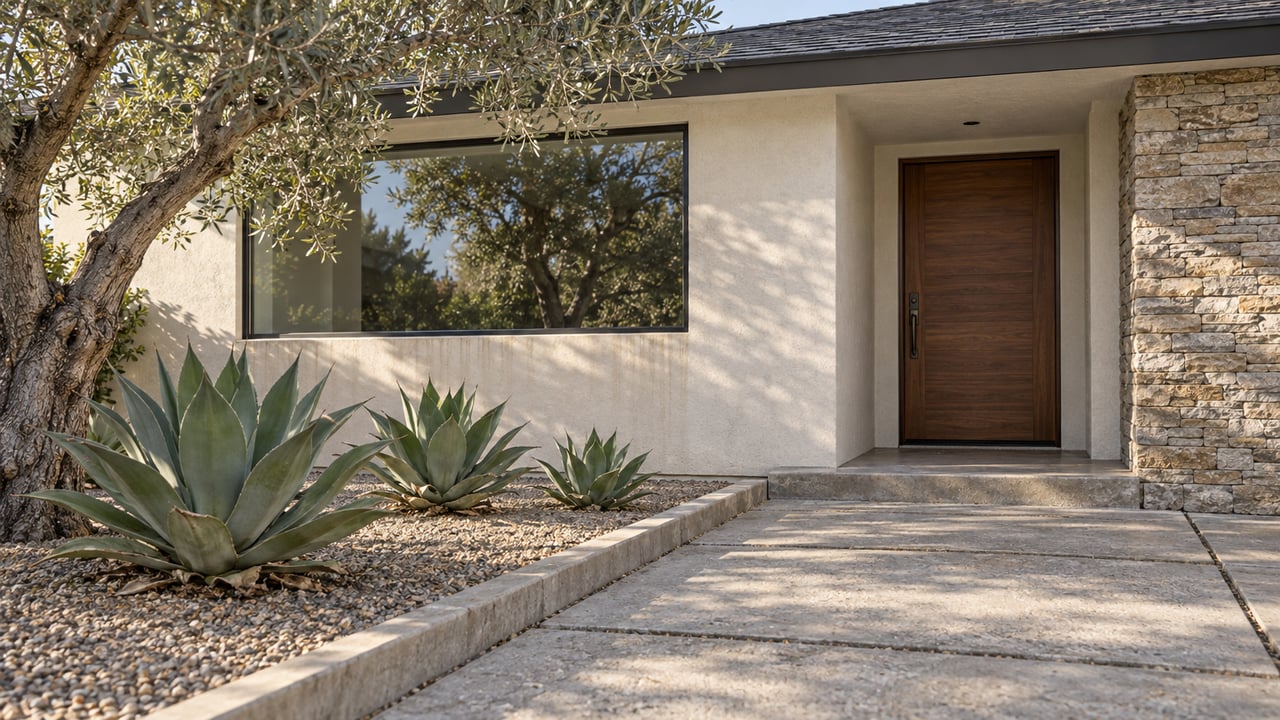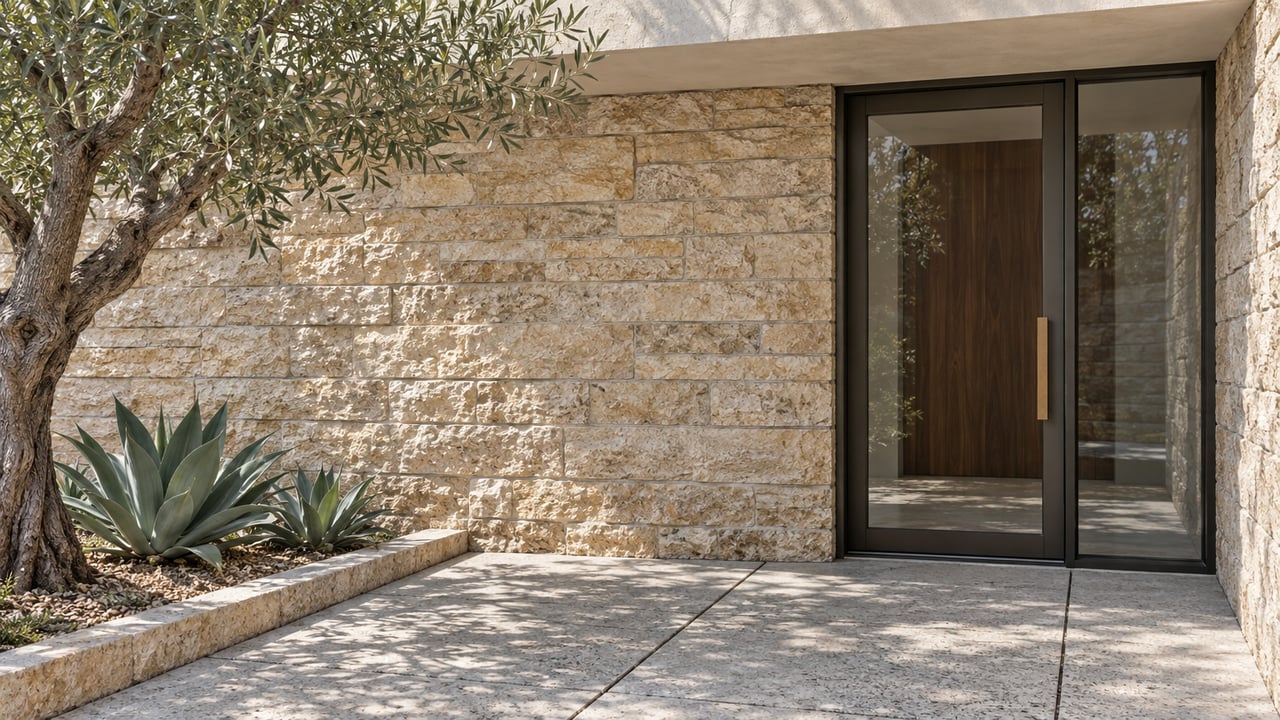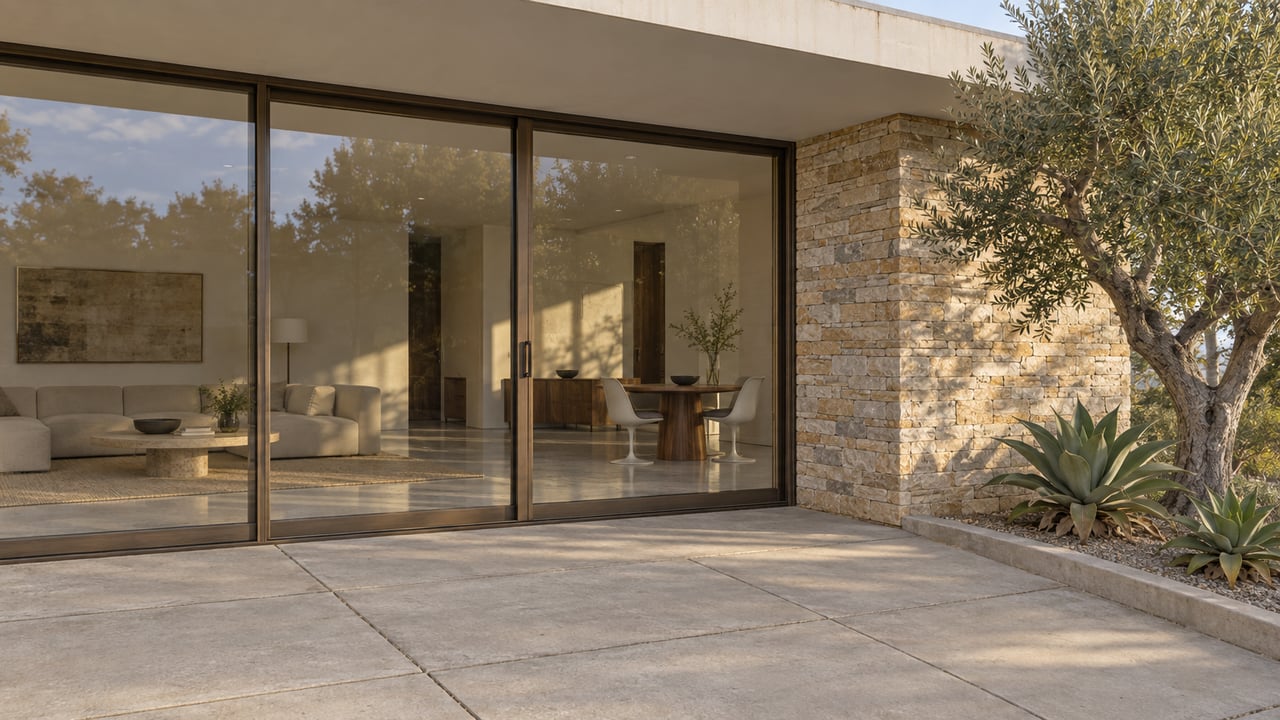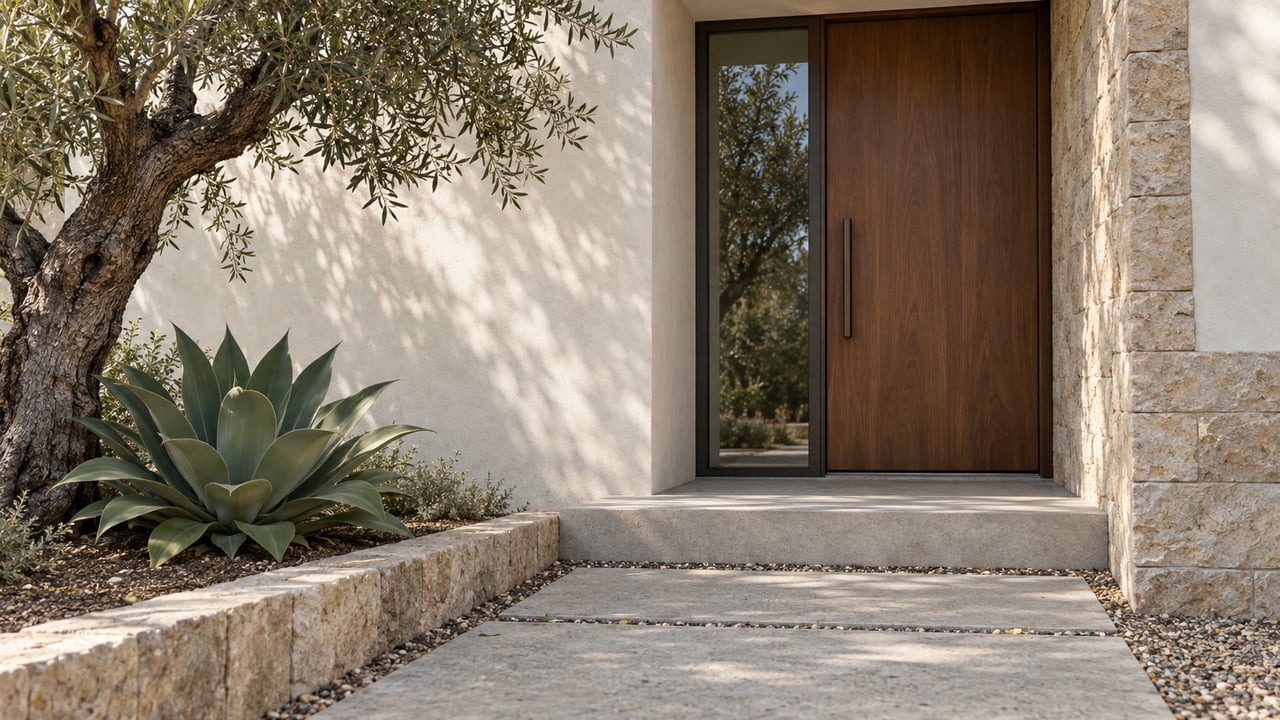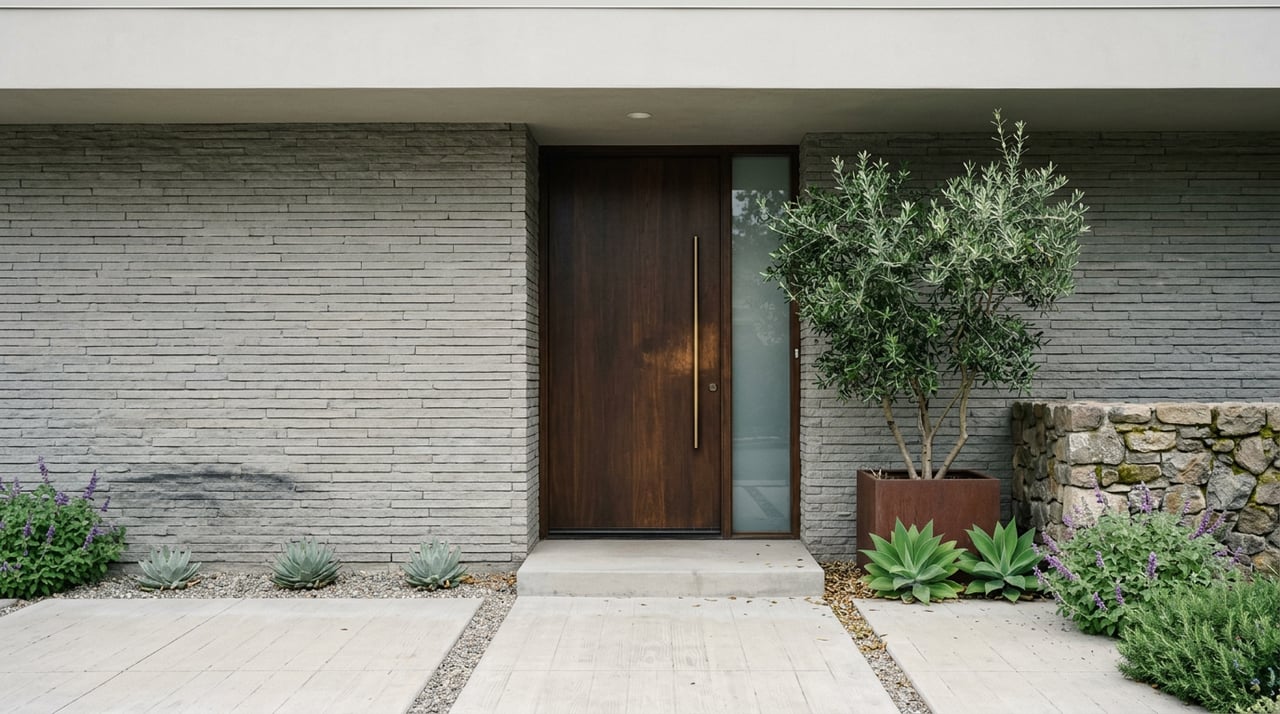
Los Feliz Estates homes are subject to the Los Feliz Estates CC&Rs. The neighborhood has no gate or clubhouse, and its homes may look like other mid-century properties in the surrounding hills, so sellers should include the documents in the sale file early.
The basis for those requirements dates to the neighborhood's development in the 1960s.
Los Feliz Estates' origins as a planned development
Los Feliz Estates was built and sold as a single development in the mid-1960s by Harlan Lee and Associates, with model home series ranging from a 2,268-square-foot single-story plan to a 2,867-square-foot New England or Oriental design. Harlan Lee attached covenants to every lot. The Los Feliz Estates Owners Association still operates under those covenants, amended and re-recorded on November 18, 1964, and it was formally chartered as a nonprofit in 1968.
Nothing about the streetscape signals this. There's no gate, no clubhouse, no shared pool. What there is: an elected board.
The association is active, not dormant. Eighty-five homeowners cast mail ballots at the November 2024 annual meeting to elect the 2025 board, and the association's own newsletter that year reported the reserve account fully funded with no past-due assessments across the membership.
How a Los Feliz Estates sale differs from a typical single-family sale
| Item | Typical single-family sale | Los Feliz Estates sale |
|---|---|---|
| Governing documents disclosure | Not applicable | Required under Civil Code §4525 |
| Who pays for HOA document prep | No such cost | Seller, per Civil Code §4530 |
| Architectural approval for exterior work | City permit only | City permit plus Architectural Committee sign-off |
The right column is the same set of obligations that governs a condo sale in Koreatown or a townhome in Sherman Oaks. In Los Feliz Estates, those obligations apply to detached homes with private yards.
Whose job the paperwork actually is
California Civil Code Section 4525 requires the owner of any property inside a common interest development to hand a prospective buyer the governing documents, the current budget, and any pending assessment changes before the sale closes. Section 4530 goes further and puts the cost on the seller, not the buyer: the association can charge a reasonable fee to prepare the package, but state law is explicit that it's the seller who owes that fee, not a line item to be negotiated away in the purchase contract.
Because the neighborhood may not read as an HOA community, include the CC&Rs, the bylaws, the minutes, and the assessment history in early sale preparation. The association makes its documents available directly through its website, so sellers and agents can request them before escrow begins.
The 2025 annual assessment
Buyers reading a resale disclosure package don't just want to know what the dues are today. Civil Code 4525 specifically requires disclosure of any assessment increase the board has already approved but that hasn't taken effect yet, because a homeowner's monthly math can change the week after closing.
That provision isn't hypothetical here. The Los Feliz Estates board raised its 2025 annual assessment by $705, from $3,525 to $4,230, a roughly 20 percent jump in a single cycle. The association's newsletter attributes the bulk of its budget to security and landscaping, including brush clearance, irrigation repairs, and tree trimming across the hillside lots, and reports the reserve account fully funded for the year. Those are the numbers a buyer should see before they make an offer, not after they've opened escrow.
The total is still modest by HOA standards, but the disclosure package should reflect the increase. Preparing the package early can help avoid a delay while the documents are completed.
The committee that outlasts the closing
The CC&Rs create an Architectural Committee whose approval is required before an owner can build, add on, or alter the exterior of a home, and the covenant requires the committee's designated representative to be a licensed architect. That approval sits entirely apart from anything the Los Angeles Department of Building and Safety reviews. A buyer can clear city plan check on a remodel and still be out of compliance with the neighborhood's own governing documents if the committee hasn't signed off.
For a buyer who plans to update a kitchen, add square footage, or change a roofline after closing, this is worth knowing before the ink dries, not after the architect's first set of drawings comes back. The association's 2021 newsletter references its board approval process for projects underway that year, along with enforcement notes on LADWP watering restrictions and a municipal code section on cleaning up after dogs. These are examples of the board's activity.
What to gather before a Los Feliz Estates listing goes live
- Request the current CC&Rs, bylaws, and most recent Annual Policy Statement directly from the association well before listing.
- Confirm the current assessment amount and ask whether any increase has been approved for the coming year but not yet billed.
- Pull any Architectural Committee approval history for work done on the property, especially additions or exterior changes.
- Get written confirmation of the account's payment status.
- Route the seller's Civil Code 4530 payment obligation into the listing timeline early, rather than treating it as an escrow afterthought.
None of this is complicated. All of it takes longer to assemble under a closing deadline than it does with three weeks of lead time before a home goes live.
A short FAQ
Is this the same issue as the Mills Act exclusion in nearby parts of Los Feliz? No, and the two shouldn't be confused. This is a separate legal framework entirely, governing membership, dues, and architectural review through the property's original covenants.
What happens if the HOA documents aren't delivered before closing? In practice, the more common outcome is a delayed closing while the missing documents get produced under time pressure.
Los Feliz Estates rewards buyers and sellers who treat it as a neighborhood with a functioning board, not a loose collection of similar-looking houses. Getting the paperwork right before a home goes to market is the difference between a clean escrow and a stressful one.
Michael Druker works listings in Los Feliz Estates and across LA's Eastside with this kind of neighborhood-specific groundwork built into the process from day one. Explore listings or schedule a consultation to talk through what a sale here actually requires.
This article is general information, not legal, tax or financial advice. Consult a qualified professional about your situation.