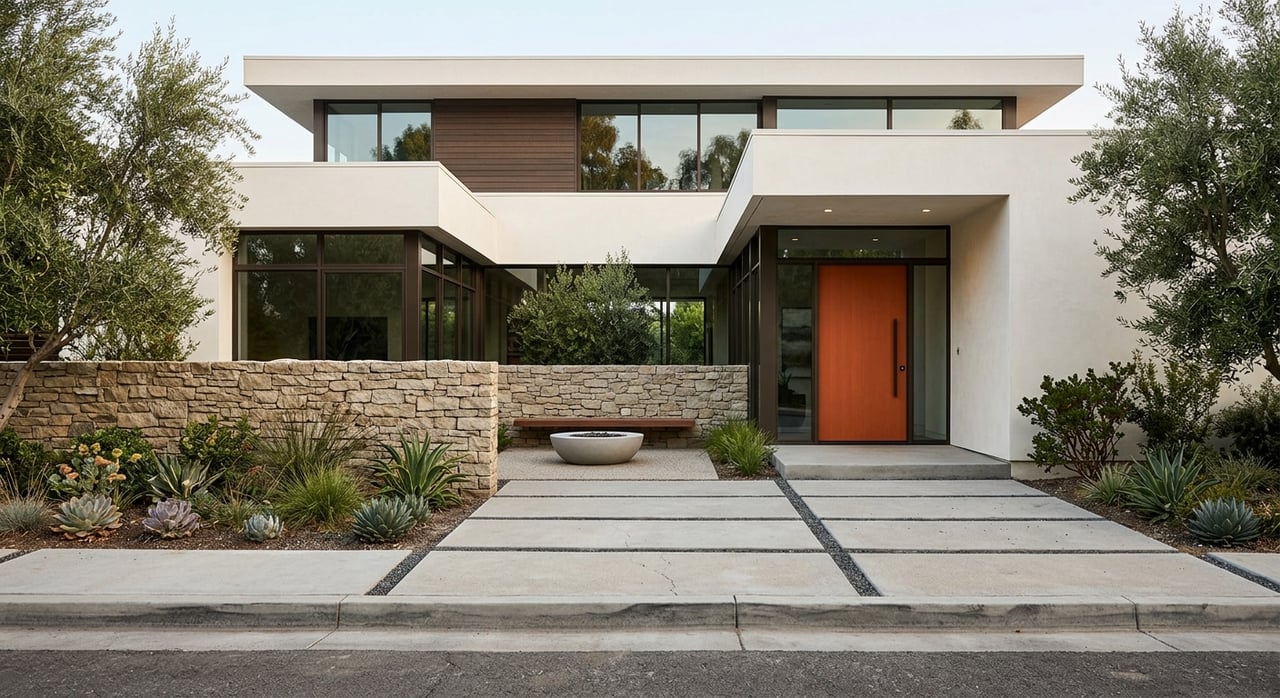
Wondering whether an Atwater Village property is a smart candidate for redevelopment, expansion, or a more strategic renovation? In this neighborhood, the answer is rarely simple. If you own a home, are considering a purchase, or are weighing a small infill project, understanding the lot, the zoning, and the block itself can help you avoid costly assumptions and make a more informed plan. Let’s dive in.
Why Atwater Village Requires Careful Analysis
Atwater Village is not a blank-slate redevelopment market. According to SurveyLA and the Northeast Los Angeles planning materials, most of the neighborhood’s residential areas were subdivided by 1924, and much of its housing stock still reflects that early streetcar-era pattern.
That history matters because the neighborhood includes older single-family blocks as well as some denser apartment pockets. It also means development potential tends to be highly specific to each parcel, rather than something you can judge by address alone.
Start With the Parcel, Not the Hype
If you are evaluating development potential in Atwater Village, the first step is to look past broad market buzz and focus on the property itself. A lot that looks promising on paper may have physical or regulatory limits that change the best strategy.
The city directs parcel-level due diligence to ZIMAS, Los Angeles' zoning and permit lookup tool, and that is where any serious feasibility review should begin. You want to confirm the exact zoning, lot dimensions, overlays, and any permit-history clues before assuming a remodel, rebuild, or added density will pencil the way you expect.
Lot Size and Width Matter
Under the City Planning zoning summary, common residential zones such as R1, R2, and RD1.5 each carry a 5,000-square-foot minimum lot area and a 50-foot minimum lot width. RD1.5 also requires 1,500 square feet of lot area per dwelling unit.
That means a zoning label alone does not tell the whole story. Width, depth, and the buildable envelope can have just as much impact on whether a site is better suited for a tasteful addition, a replacement home, or a denser infill concept.
Shape and Access Affect Feasibility
Regular lot shape, usable width, and practical access points can make a major difference. Rear or alley access can be especially helpful when you are trying to reduce the visual impact of parking or improve the site plan.
The Los Angeles Small Lot Design Guidelines reinforce that site planning should support neighborhood compatibility, maximize green space, and minimize driveway dominance. In a place like Atwater Village, that kind of fit can influence both approvals and market appeal.
Understand the Zoning Tools That May Apply
Atwater Village still operates under the existing Los Angeles Municipal Code zoning framework for now. While Los Angeles adopted a new Zoning Code in October 2024, City Planning says it currently applies only in Downtown, with wider rollout tied to future community plan updates.
For owners and small-scale developers, that means current feasibility work still depends on the existing code, plus any overlays or housing tools that may affect the parcel.
SB 9 Can Change the Conversation
The city says SB 9 can streamline two-unit development and urban lot splits on single-family-zoned lots. City Planning also notes 4-foot side and rear setbacks under SB 9, along with parking exemptions near major transit stops.
That does not mean every single-family lot in Atwater Village is automatically a strong SB 9 candidate. But it does mean you should test eligibility early, especially if you are comparing the value of a single replacement home against a two-unit strategy or lot split scenario.
ADUs May Offer a Lower-Risk Option
On some properties, an Accessory Dwelling Unit under the city’s ADU rules may be more practical than a full redevelopment play. If your goal is to add utility, create more flexible living space, or increase long-term value without fully changing the character of the site, an ADU can be worth serious consideration.
This is especially true when the existing home has street presence or architectural value that would be difficult to replace. In those cases, a sensitive expansion strategy may align better with both the property and the block.
Small Lot Projects Need the Right Setting
The city also says the Small Lot Ordinance allows fee-simple homes and attached townhouses in multifamily and commercial parts of Los Angeles. In the right context, that can create opportunities for contemporary infill product.
Still, not every Atwater Village parcel will be a natural fit. The strongest candidates are usually those where the lot, access, and surrounding development pattern support a more compact design without fighting the existing streetscape.
Overlays and Historic Review Can Add Complexity
A property’s development potential can shift quickly if it sits inside a special overlay area or a historic review area. This is one reason Atwater Village should be approached as a block-by-block market.
Planning materials for the Northeast Los Angeles Community Plan identify an Atwater POD overlay for parts of the neighborhood. SurveyLA also identified the Perlita Avenue Apartment Historic District, which is a reminder that historic-resource screening is part of the feasibility conversation in at least some locations.
What the Atwater POD Means
The Atwater Village Pedestrian Oriented District applies to portions of the neighborhood, including parts of Glendale Boulevard and Los Feliz Boulevard, where the city found that commercial activity and building patterns could support walking and shopping. In those areas, new projects are subject to rules around facade articulation, pedestrian entries, setbacks, landscaping, and parking screening, as described in the small lot and design guidance source.
For you, that means design is not just an aesthetic issue. Street-facing entries, better landscaping, and parking that takes a back seat visually can all play into how well a project fits the corridor.
Historic Controls May Raise the Bar
If a parcel falls within a local historic district or HPOZ, City Planning says additional review may apply to exterior work, additions, landscaping, and new construction. Projects may be reviewed by staff or by an HPOZ Board, depending on the circumstances.
That does not automatically rule out improvements. It simply means the review path may be more detailed, and a renovation or contextual addition may be more realistic than a full teardown.
Renovation vs. Rebuild in Atwater Village
One of the biggest mistakes owners make is assuming demolition creates the highest value every time. In Atwater Village, that is often too simplistic.
Because the neighborhood still shows its 1920s development pattern, some older revival-era homes may be better candidates for renovation or thoughtful expansion than for replacement. If an existing home contributes positively to the street and the lot does not easily support a more efficient new-build layout, preserving and improving what is already there may be the smarter move.
When Renovation May Make More Sense
A renovation-first approach may be worth stronger consideration when:
- The home has a clear street presence that fits the block
- The lot shape or width limits efficient new construction
- Historic-resource screening or overlay rules add review complexity
- An ADU or addition could improve utility without overbuilding the site
When Redevelopment May Be Stronger
A ground-up or denser infill strategy may deserve a closer look when:
- The lot is regular in shape and wide enough to work well within the zone
- Rear or alley access improves parking and circulation
- There is no obvious historic or overlay conflict
- The surrounding block pattern can absorb newer construction comfortably
Market Conditions Still Support Good Design
Even when zoning works, product positioning matters. According to Redfin’s February 2026 Atwater Village market snapshot, the neighborhood was somewhat competitive, with a median sale price of $1.425 million, 54 average days on market, 59.1% of homes selling above list price, and a 103.7% sale-to-list ratio.
Redfin also reports a Walk Score of 73, Transit Score of 51, and Bike Score of 71. Taken together, those numbers suggest buyers are responding not just to square footage, but also to location efficiency, usability, and thoughtful design.
Buyers Notice Streetscape Fit
Infill product that tends to resonate in neighborhoods like Atwater Village often shares a few traits. The local guidance points to street-facing entries, articulated facades, recessed or courtyard elements, usable outdoor space, and parking that does not dominate the frontage.
The LA Conservancy small lot guide even references Perlita Mews in Atwater Village as a local example of livable shared-space design. That is a useful reminder that contemporary product can succeed here when it respects the surrounding fabric instead of ignoring it.
A Practical Checklist for Owners and Buyers
If you are assessing development potential for an Atwater Village home, keep your early review focused on a few essentials:
- Confirm exact zoning and overlays in ZIMAS
- Verify lot width, lot area, and practical buildable envelope
- Test SB 9, ADU, and Small Lot possibilities early
- Check for POD or historic review issues before shaping a design strategy
- Compare a contextual renovation against a full rebuild before assuming demolition creates more value
The goal is not to force every property into a redevelopment story. The goal is to identify the strategy that best fits the site, the block, and current buyer demand.
If you are weighing a purchase, planning a sale, or evaluating a small-scale project in Atwater Village, working with someone who understands design-driven product and Eastside infill can help you see the opportunity more clearly. Michael Druker offers buyer representation, listing representation, project sales and marketing, and advisory support for small developers across Los Angeles’ design-focused neighborhoods.
FAQs
What should you check first when evaluating Atwater Village development potential?
- Start by confirming the parcel’s exact zoning, overlays, lot dimensions, and permit history in ZIMAS before making assumptions about redevelopment options.
Can SB 9 apply to single-family lots in Atwater Village?
- Yes, City Planning says SB 9 can streamline two-unit development and urban lot splits on single-family-zoned lots, but eligibility and site fit should be reviewed early on a parcel-specific basis.
Are ADUs a good option for Atwater Village homes?
- In many cases, yes. An ADU can be a practical way to add value or flexibility without pursuing a full redevelopment strategy.
Does the Atwater POD overlay affect development in Atwater Village?
- Yes, in parts of the neighborhood the Atwater Pedestrian Oriented District adds design-related requirements involving entries, setbacks, landscaping, facade articulation, and parking screening.
Is renovation sometimes better than rebuilding in Atwater Village?
- Yes. Older homes on well-composed blocks may be better suited to renovation or sensitive expansion, especially when lot constraints, overlays, or neighborhood context make teardown less compelling.