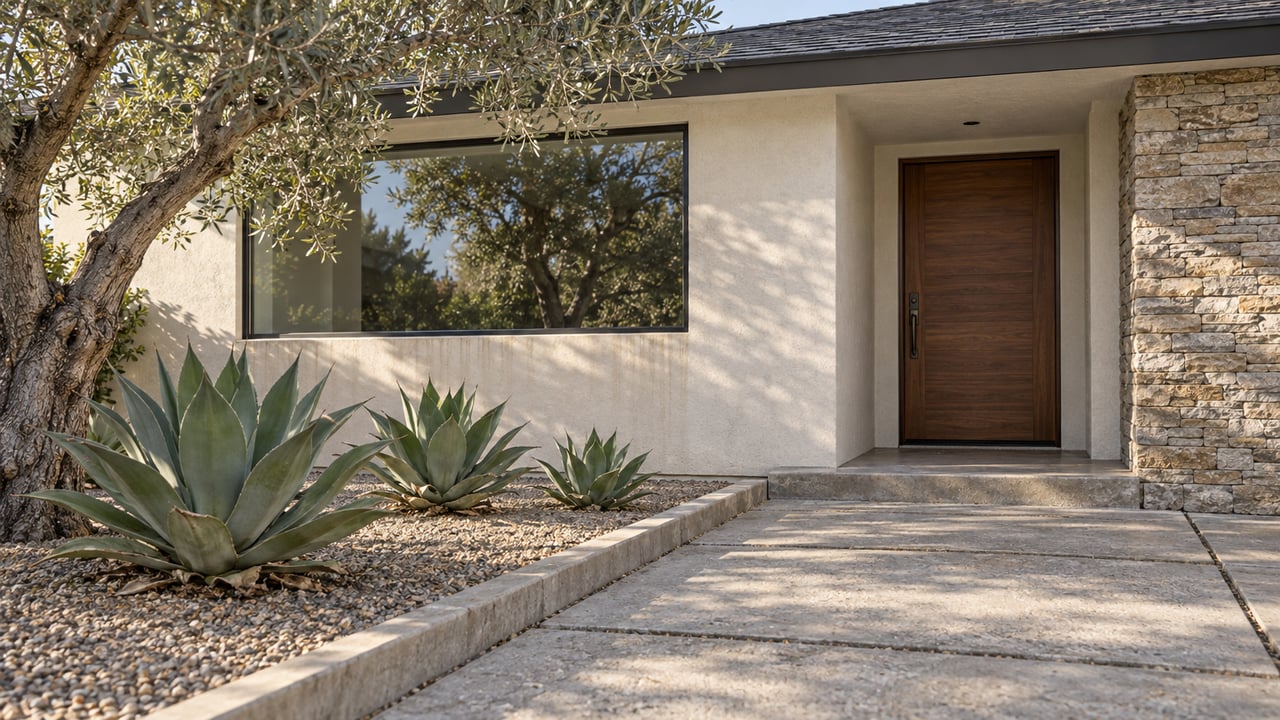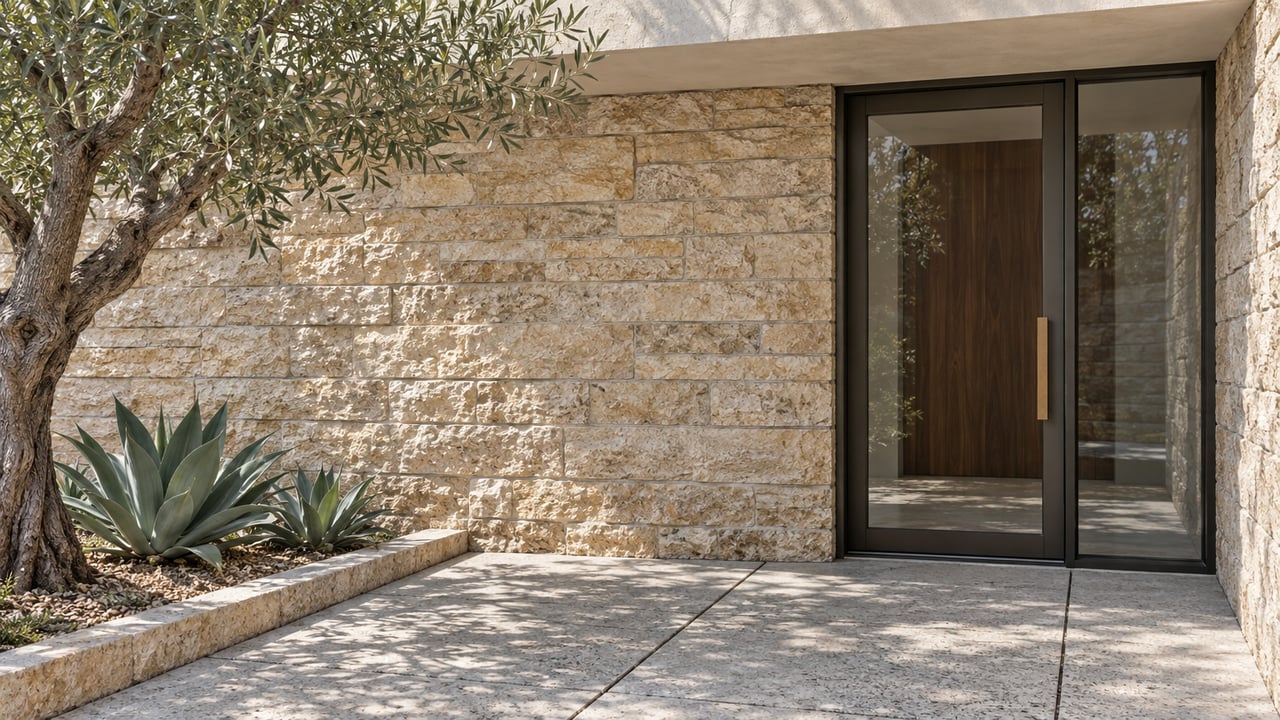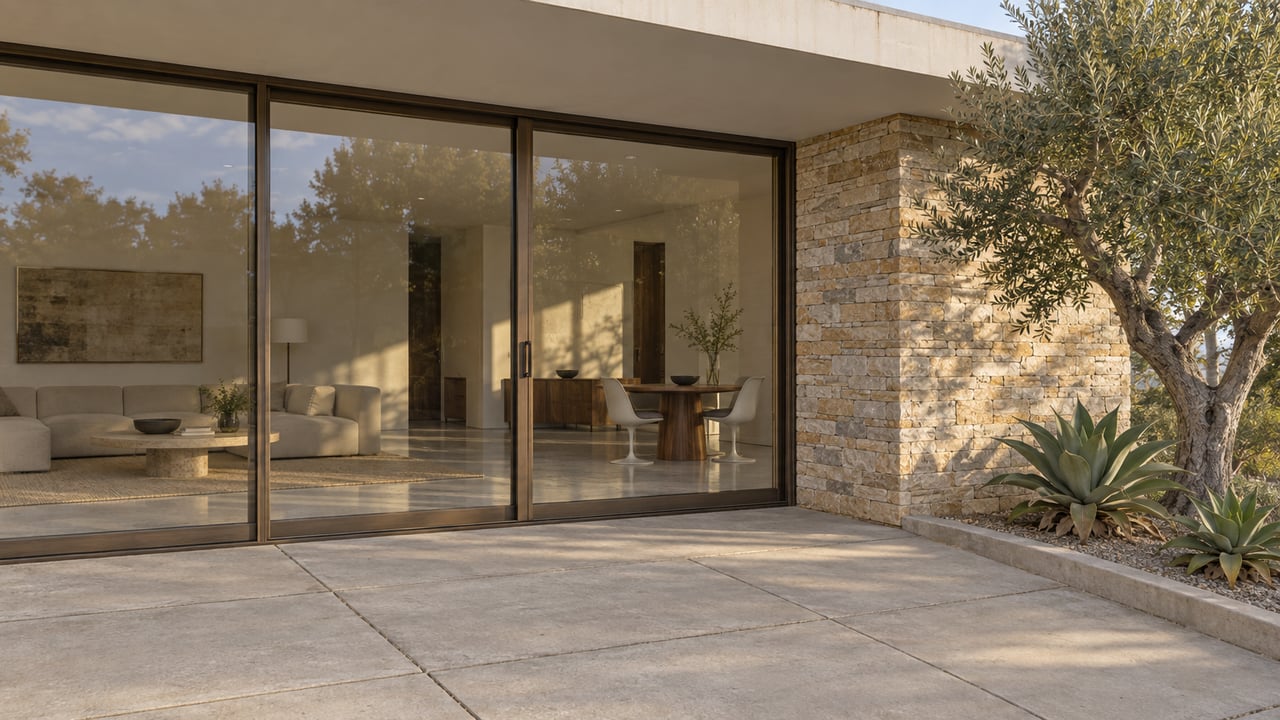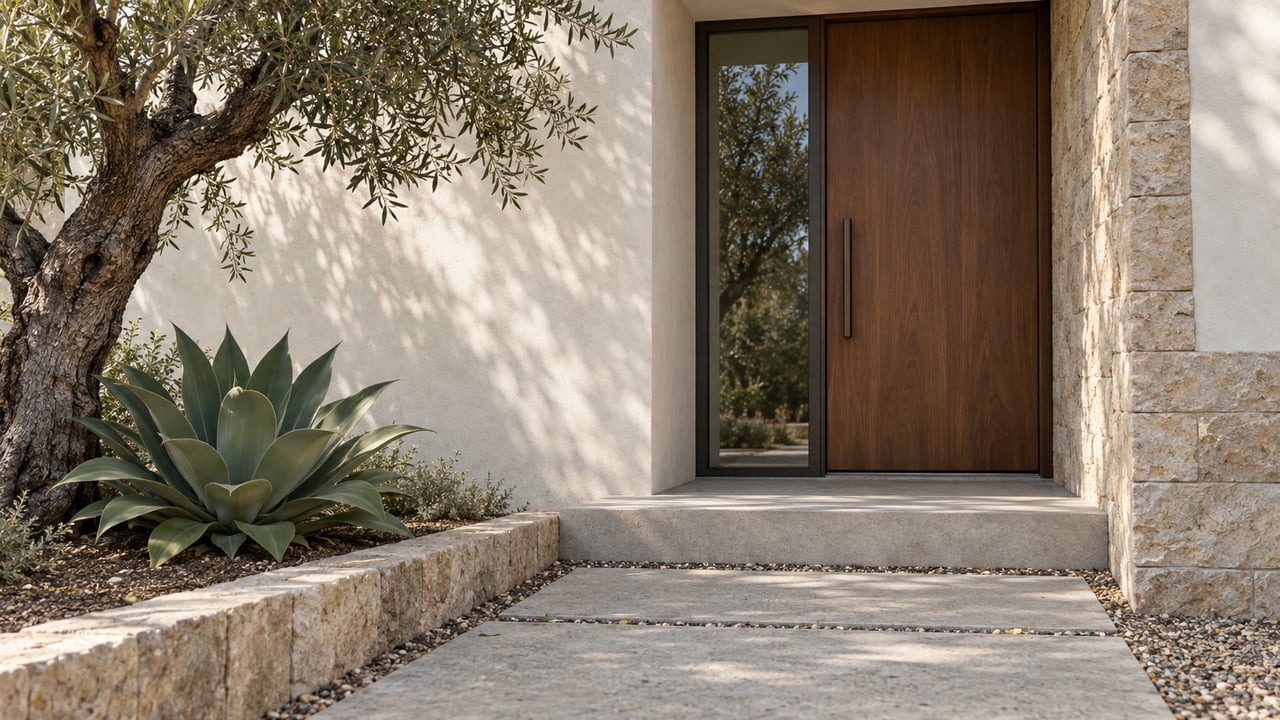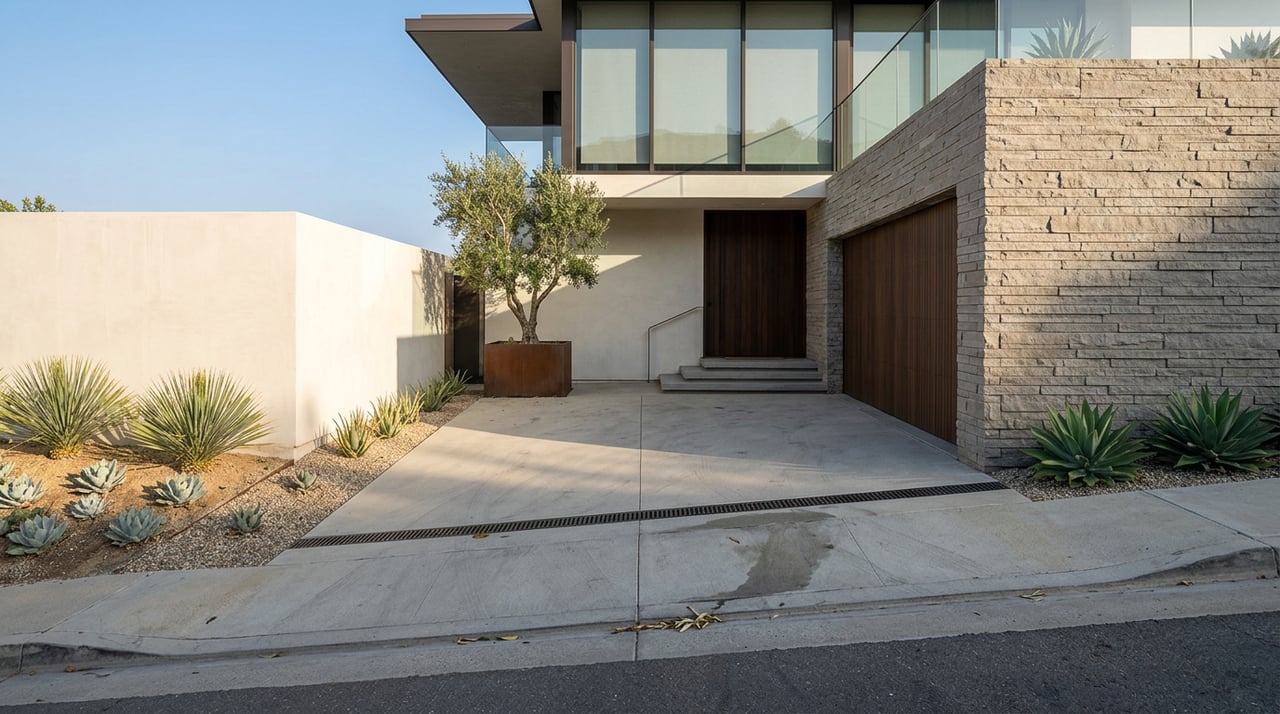
You fall for the views, the light, the architecture in the hills. Then you hear about grading reports, brush clearance, and parking rules, and it starts to feel complicated. If you are considering a home in the Hollywood Hills, a little prep will help you move fast and protect long-term value. This guide breaks down what matters most so you can buy with confidence and enjoy that hillside lifestyle. Let’s dive in.
What makes the Hills different
The Hollywood Hills deliver skyline views and privacy, but the terrain is steep and geologically complex. Many parcels sit on slopes or in mapped landslide and seismic areas, which can influence foundations, drainage, and future work on the property. To understand the context, review the California Geological Survey’s mapping for the Hollywood quadrangle, which outlines local seismic and landslide susceptibility. You can find that reference in the state’s CGS Hollywood seismic and landslide report.
Expect layered city rules that shape what you can build and how you maintain it. Los Angeles applies the Baseline Hillside Ordinance (BHO), Hillside Grading rules, and LADBS grading requirements. Each can add time and cost if you plan to remodel or expand, so you want clarity early. The City’s BHO comprehensive guide outlines floor area, grading caps, and slope bands that are unique to hillside lots.
Wildfire exposure is also a core reality. Much of the Hollywood Hills sits in a Very High Fire Hazard Severity Zone, which triggers defensible-space obligations and disclosures at sale. Confirm whether an address falls in a mapped zone using the CAL FIRE Fire Hazard Severity Zones overview and plan to request AB 38 Fire Hardening and Defensible Space documents during escrow.
Start with ZIMAS and zoning
Before you get attached to a floor plan or a future addition, check the property’s hillside status. The City of Los Angeles Zone Information & Map Access System (ZIMAS) is your first stop to verify whether a parcel is in a Hillside Area, a Special Grading Area, or subject to BHO overlays. Run the address through ZIMAS and save the results.
If ZIMAS shows hillside overlays or grading designations, factor that into your plans. BHO slope-band rules can cap floor area, and Special Grading Areas can require additional engineering and plan checks. The bottom line is simple. If you plan to add living space, decks, pools, or significant site work, you need a permitting strategy from the start.
Quick zoning checklist
- Pull ZIMAS data and confirm Hillside Area or Special Grading Area status.
- Review the BHO rules against your remodel plans and desired square footage.
- Ask for any prior approvals, clearances, or variances the seller obtained.
Slopes, retaining walls, and drainage
Hillside homes rely on stable slopes and well-designed drainage. Retaining walls, tiebacks, and subdrains do a lot of quiet heavy lifting. During due diligence, confirm that any walls were permitted, engineered, and inspected. The City outlines when walls need engineered permits in its retaining wall technical procedures.
If you see cracks, leaning, seepage, or poorly placed downspouts, get a structural engineer and a geotechnical engineer involved fast. LADBS often requires geotechnical reports for hillside grading, and the grading review can control your schedule. Read the LADBS process for soils and grading permits so you know what to expect on future work. Here is the relevant LADBS grading permits overview.
Pro tip: drainage usually tells the story. Look for clean outlet points, maintained drains, and thoughtful water paths away from the structure and slopes.
Fire safety, AB 38, and insurance
If the property lies in a Very High Fire Hazard Severity Zone, you will encounter defensible-space standards and AB 38 Fire Hardening and Defensible Space disclosures during escrow. Start by confirming the zone status through the state’s FHSZ resources. Ask the seller for any brush-clearance notices and the FHDS paperwork early so you can budget for any required hardening work.
Insurance is a material variable in the hills. Underwriting often considers driveway width, distance to hydrants, defensible space, and construction materials. California’s regulator has taken steps to stabilize availability and pricing, but you should still secure a binding quote or pre-qualification before removing contingencies. For policy context and recent actions, review the California Department of Insurance update.
Access, driveways, and parking
Narrow, winding streets are part of the charm, but they also create real-world constraints. Fire access standards set minimum clearances for emergency vehicles, and long single-access driveways can trigger specific conditions. As you tour homes, measure practical things: driveway slope, width, turning radius, and where guests will park.
Street parking can be restricted on certain blocks. Many areas in the Hills use residential permit zones. Before you fall in love, confirm how many parking permits you can get, whether overnight rules apply, and what guests can do during events or weekends.
Title, private roads, and views
In the Hills, access and maintenance can cross private property lines. Some streets and driveways are privately owned and governed by recorded road-maintenance agreements or CC&Rs. Order the preliminary title report right away and review any exceptions that affect access, parking, or shared costs. For background on why early title review matters, see this overview from First American on title considerations.
If a view is part of your decision, know that California does not grant a general statutory right to a view. Only a recorded easement or similar covenant offers legal protection, and it will appear in the title report. A California appellate case illustrates the point clearly for view disputes; you can read a summary on FindLaw’s easement case page. If you expect to preserve a view, verify the exact recorded instrument during escrow.
Inspections and specialists to order
Hillside purchases benefit from a few targeted inspections beyond the standard home inspection. Sequence matters because specialist reports can take time.
- General home inspection. Start here to flag structure, roof, plumbing, and visible foundation issues.
- Structural engineer. Ask for a focused assessment of foundations, retaining systems, and any signs of slope movement. Expect a few hundred dollars for a quick check and up to several thousand for a full written report or corrective plans. For context on pricing ranges, see this structural engineer cost overview.
- Geotechnical engineer or engineering geologist. Required for many hillside grading permits and strongly recommended if you see steep slopes, prior unpermitted grading, or distress. LADBS outlines when soils reports are needed in its grading permits guidance.
- Retaining wall and drainage specialist. Confirm tiebacks, drainage paths, seepage, and outlet conditions. Verify LADBS permits and final inspections for each wall using the retaining wall procedures.
- Roof, sewer camera scope, and pest/termite checks. In wildfire-prone areas, look closely at ember-resistant vents and gutter guards.
- AB 38 and defensible space. If applicable, request the Fire Hardening and Defensible Space documentation during escrow and plan for any corrections before close.
Order the general inspection first, then book the structural and geotechnical pros quickly if anything looks questionable. This protects your contingency timelines and gives you real data for negotiation.
How these factors impact value and timeline
Design, views, and privacy often command a premium in the Hollywood Hills. At the same time, hillside ownership can carry higher maintenance and capital costs over time, especially for drainage, retaining walls, and slope repairs. If you plan to remodel or expand, the BHO and separate grading reviews can add months to your schedule, so put a realistic plan in place from day one. The City’s BHO guide explains how slope bands and grading caps influence project size and timing.
The smart approach is to treat the permitting and engineering work as part of the asset. A home with documented soils reports, permitted walls, well-managed drainage, and clean title often resells more smoothly and can hold value better over time.
Your buyer action plan
- Run the address in ZIMAS and save the hillside status and overlays.
- Order the preliminary title report and review easements, private-road agreements, CC&Rs, and any view protections.
- Schedule a general home inspection, then add a structural and geotechnical review if anything flags.
- Ask the seller for AB 38 Fire Hardening and Defensible Space documents if the property is in a mapped fire zone.
- Secure insurance quotes or pre-qualification before removing contingencies, and confirm any conditions tied to access or defensible space. For market context, review the state insurance update.
- Verify permits and final inspections for retaining walls, grading, and driveway work through LADBS.
- Test-drive the access routes at peak times and confirm practical parking for residents and guests.
- If there is a private road or shared driveway, request recent budgets, meeting notes, and maintenance records.
- Build contingencies for geotechnical review and insurance procurement into your offer.
Ready to refine a shortlist or pressure-test a property’s hillside profile? Reach out to Michael Druker to walk through zoning, access, and inspection strategy before you write an offer.
FAQs
Do Hollywood Hills buyers have a legal right to preserve a view?
- Not by default. Only a recorded easement or covenant protects a view, which you can confirm in the preliminary title report and recorded documents.
How does wildfire risk affect buying a Hollywood Hills home?
- Many parcels are in Very High Fire Hazard Severity Zones, which trigger defensible-space rules and AB 38 disclosures. Verify zone status, request FHDS documents, and secure insurance quotes before removing contingencies.
What permits and reports are needed to add on to a hillside home in Los Angeles?
- Expect Baseline Hillside Ordinance limits, separate LADBS grading review, and likely geotechnical and structural reports. These steps can add months, so plan schedules and budgets accordingly.
What should I verify about retaining walls before closing on a hillside property?
- Confirm permits, engineered drawings, LADBS final inspections, and current drainage conditions. If you see cracks, leaning, or seepage, bring in a structural engineer and geotechnical specialist.
What insurance steps should I take when buying in the Hills?
- Start quotes early, share access details and defensible-space status with carriers, and obtain binding terms or pre-qualification before removing your insurance contingency. In higher-risk cases, discuss coverage limits and costs with your agent and insurer.