What if your home life felt calm and tucked away, but dinner, live music, and some of Los Angeles’ most recognizable destinations were just minutes downhill? That contrast is a big part of what draws people to the Hollywood Hills. If you are wondering what everyday living actually feels like here, this guide walks you through the rhythm, design, access, and practical realities that shape the neighborhood. Let’s dive in.
Hollywood Hills Feels Pocketed
The Hollywood Hills are not one uniform neighborhood with a single vibe. In practice, they feel more like a collection of hillside pockets, each shaped by its canyon roads, elevation, and connection to the streets below.
That local pattern shows up in how the area is organized. The Hollywood Hills West Neighborhood Council separates its coverage into subareas like Nichols Canyon, Runyon Canyon, Wattles, Mt. Olympus, and Laurel Canyon, which reflects how residents often experience the neighborhood day to day.
The Daily Rhythm Is Balanced
One of the clearest things about life in the Hollywood Hills is the contrast between home and the city below. At home, the mood can feel quiet, private, and residential. A short drive away, Hollywood brings a very different pace.
Hollywood remains an active entertainment district, with notable film studios and a mix of dining and live events nearby. That means your routine can easily include a peaceful morning at home, an afternoon errand or meeting in Hollywood, and an evening out without going far.
The Sunset Strip adds to that contrast. West Hollywood describes it as a major entertainment destination with hotels, restaurants, nightlife, and more than 5 million annual visitors, so it is possible to feel removed from the action while still being close to it.
Homes Follow The Hillside
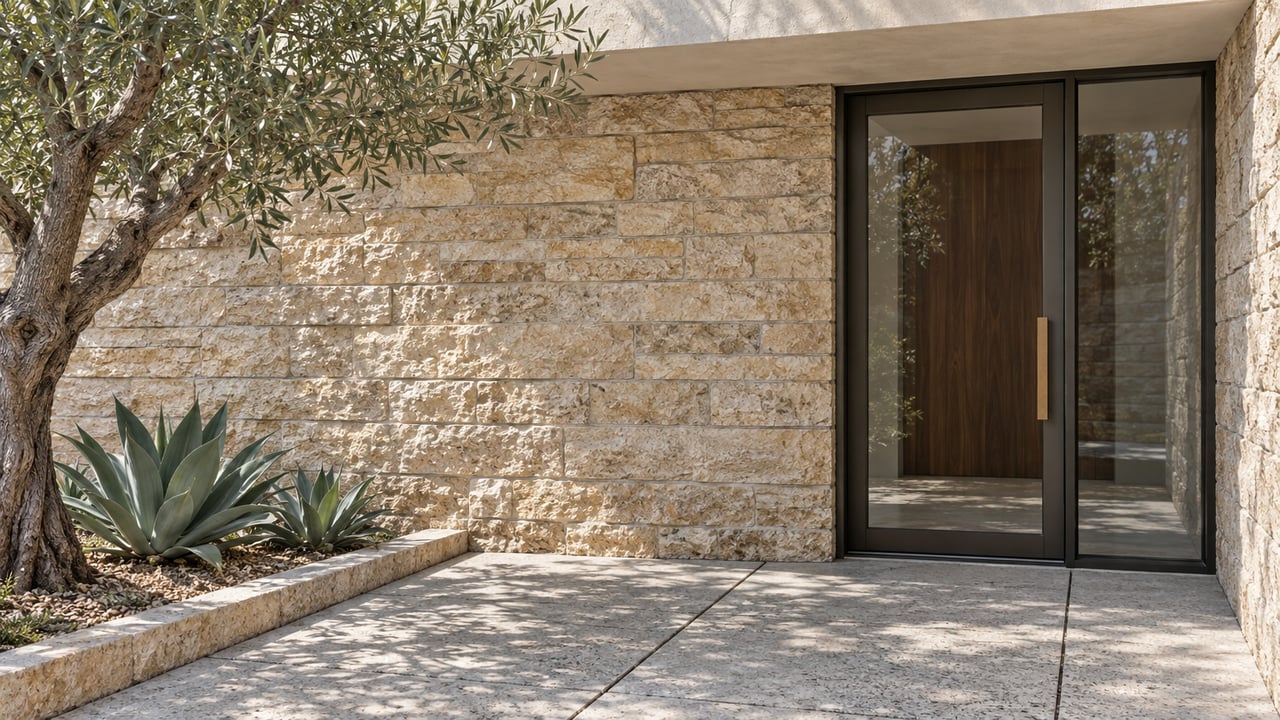
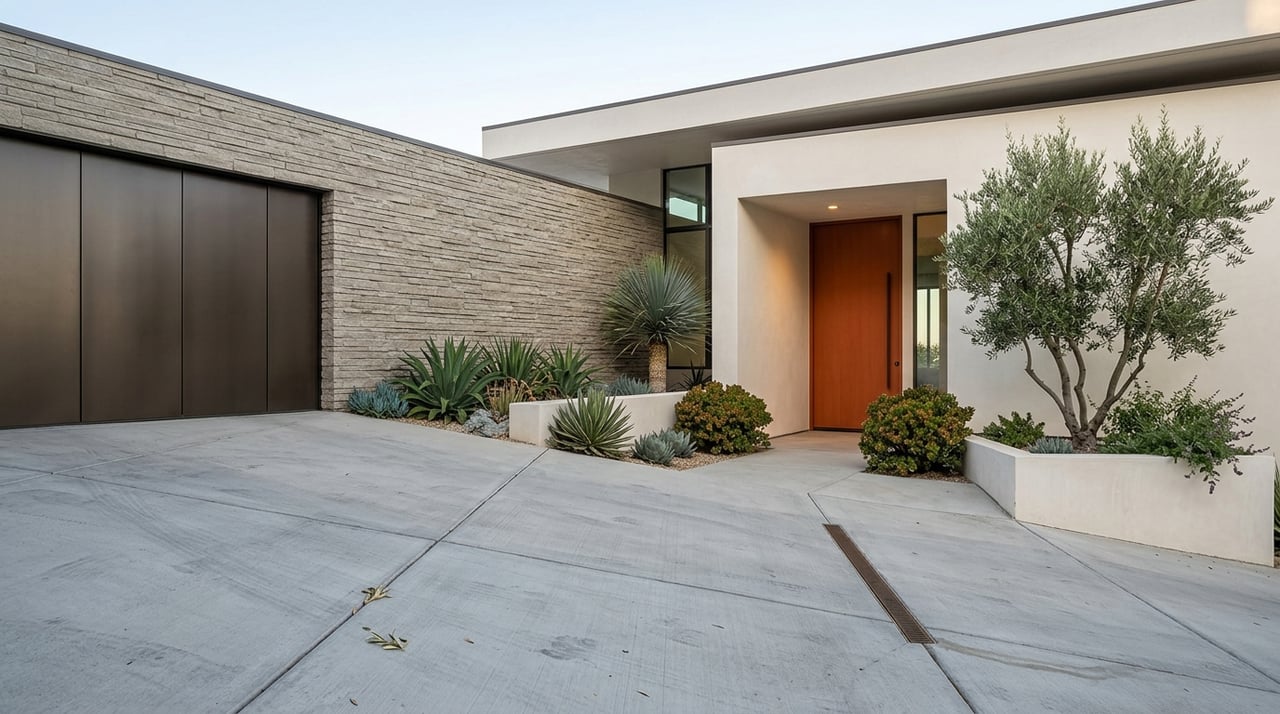
In the Hollywood Hills, the land shapes the architecture. Homes often sit on steep lots, and that slope influences how rooms are arranged, where outdoor spaces land, and how views are framed.
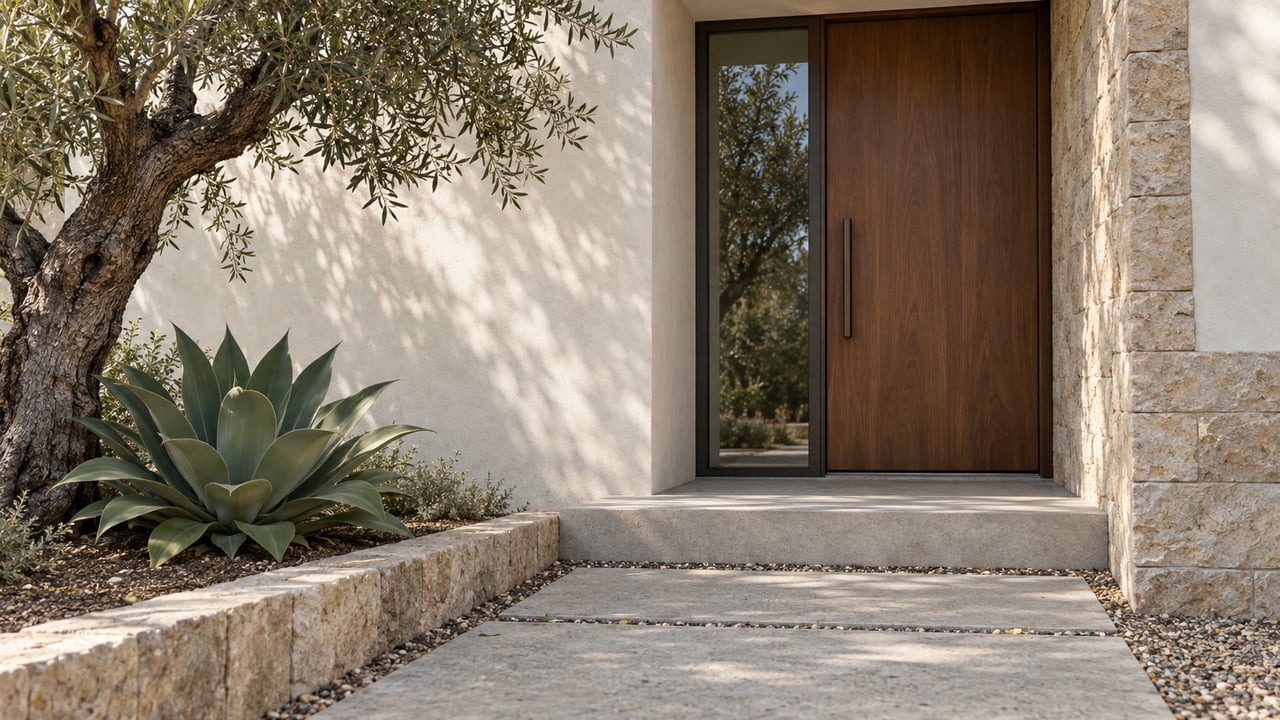
The architectural mix is part of the appeal. The Los Angeles Conservancy highlights hillside homes here in styles including Mediterranean Revival and Hollywood Regency, alongside iconic modern design like the Chemosphere.
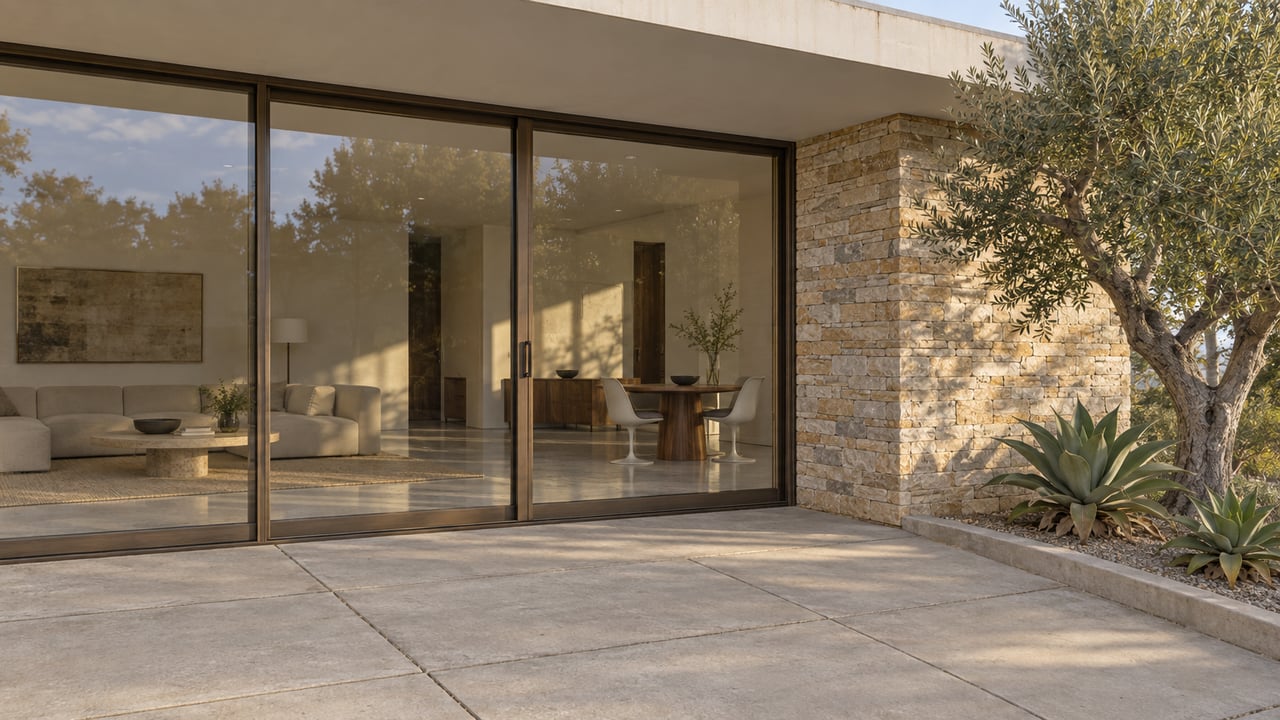
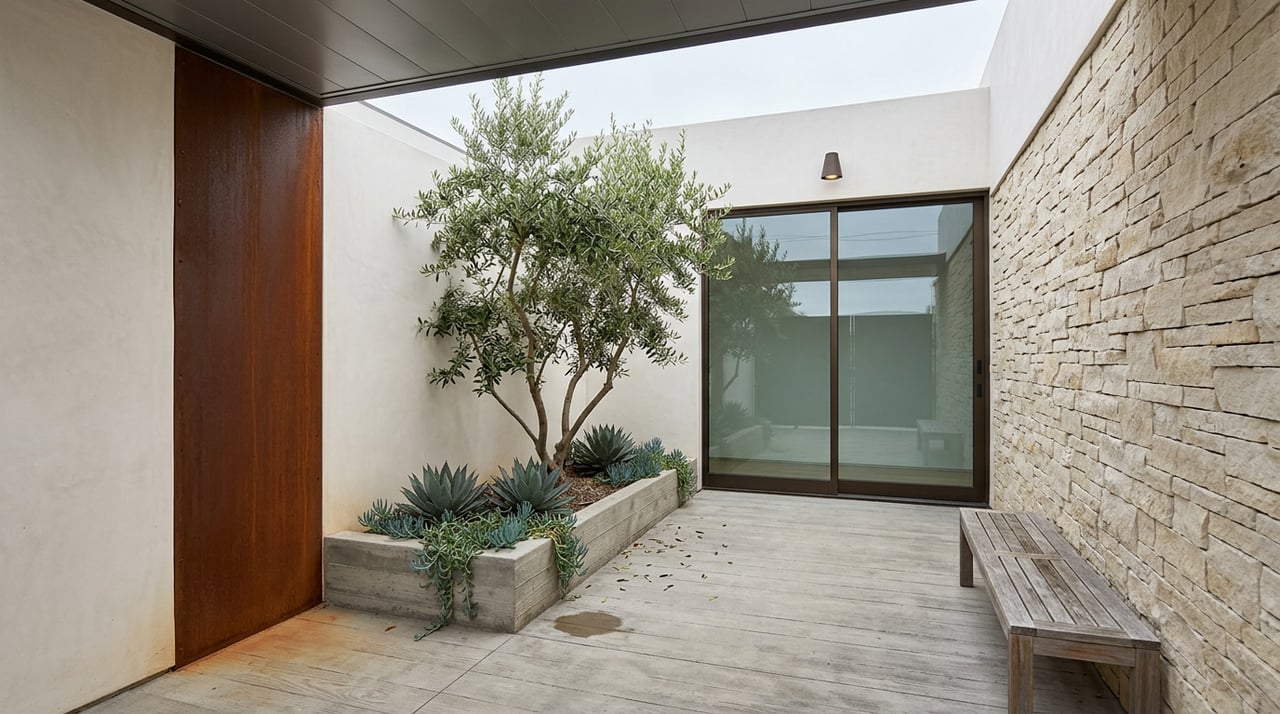
For day-to-day living, that often translates into homes built around outlooks, terraces, split-level layouts, and indoor-outdoor flow. Instead of a standard flat-lot setup, many properties are designed to make the most of elevation and open sightlines.
Character Varies By Enclave
Not every part of the Hollywood Hills looks or feels the same. Some pockets lean more historic and layered, while others read more modern and sculptural.
Whitley Heights is one example of how older planning still affects the feel of the area. The Los Angeles Conservancy notes that some residential plans there included height restrictions to preserve view corridors, which helps explain why certain sections feel especially textured rather than uniform.
If you are touring homes, this matters. One street may offer a classic hillside setting with long-established character, while another may feel more contemporary and design-forward.
Getting Around Takes Planning
Daily mobility in the Hollywood Hills is different from life on the flats. The City of Los Angeles notes that hillside streets are often narrow and winding, with some roads serving a limited number of homes.
That affects more than commute times. It can shape delivery logistics, guest arrivals, rideshare pickups, and how confidently you move around at night or during busy weekends.
Most routines still center on driving. In many pockets, that is simply the most practical way to handle errands, work, dining, and social plans.
Cars Still Lead Daily Life
The neighborhood is not car-free, and it is also not purely car-dependent in every moment. Transit exists nearby, especially at the base of the hills, but most people still rely on driving and route planning as part of regular life.
Metro’s Hollywood/Highland station on the B Line gives you another option for select outings. For major events like those at the Hollywood Bowl, transit and shuttles can be a smart way to avoid some of the usual traffic and parking stress.
Parking Matters More Here
Parking is not a small detail in the Hollywood Hills. It is part of the lifestyle.
This is especially true near trailheads and high-traffic visitor areas. Around Runyon Canyon, the city has used preferential parking measures because hikers and other visitors were filling residential streets and reducing parking access for residents.
That means curbside rules, guest parking, and posted signage deserve attention when you are considering a home. A property’s layout and street position can have a real impact on how easy daily living feels.
Outdoor Life Is Part Of The Routine
One reason people are drawn to the Hollywood Hills is how easy it is to work outdoor time into a normal week. You do not need to plan a full-day getaway to get fresh air, elevation, and wide-open views.
Runyon Canyon is one of the clearest examples. The city lists it as a 160-acre park with hiking trails and sunrise-to-sunset hours, making it a regular option for exercise, dog walks, or a quick reset before or after work.
There are practical details to know, though. Runyon Canyon has no restroom facilities, and the city advises visitors to stay on designated trails and bring water, so even casual outings work best with a little planning.
Griffith Park Expands Your Options
Griffith Park broadens the outdoor routine even more. At more than 4,210 acres, it offers hiking, horseback riding, picnic areas, and major destinations like the Griffith Observatory, Los Angeles Zoo, and Greek Theatre.
For many residents, that means recreation is not reserved for special occasions. It can become part of your weekly rhythm, whether you want a longer weekend hike or a quick change of scenery.
Reservoir Walks Offer A Quieter Pace
If you prefer something lower-key, the Hollywood Reservoir adds another outdoor option close by. LADWP describes the Reservoir Walk as a scenic 3.5-mile route, which fits the Hills’ pattern of mixing high-energy city access with quieter moments outdoors.
That balance is a big part of what everyday life feels like here. You can build a routine around both movement and calm.
Privacy Comes With Practical Tradeoffs
The Hollywood Hills can feel private in a way that is hard to replicate on a flat street grid. Homes often sit above the street, behind landscaping, or along roads that serve fewer houses.
That privacy is a real lifestyle benefit, but it usually comes with tradeoffs. Access may be tighter, guest logistics may take more thought, and some everyday tasks may require a little more coordination than they would in a flatter neighborhood.
This is not a dealbreaker for most buyers who love the area. It is simply part of the rhythm.
Fire Readiness Is Part Of Ownership
Hillside living in Los Angeles also comes with responsibilities. The Los Angeles Fire Department states that much of the hilly and mountainous parts of Los Angeles, including Hollywood, falls within the Very High Fire Hazard Severity Zone.
For homeowners, that means fire readiness is part of the routine, not a once-a-year thought. LAFD conducts annual brush-clearance and defensible-space inspections in these areas and advises homeowners not to clear brush during Red Flag days.
This is one of the clearest practical differences between the Hollywood Hills and many flatter parts of the city. Along with views and outdoor access comes a stronger focus on property maintenance and seasonal awareness.
What Daily Life Usually Feels Like
If you had to sum up Hollywood Hills living in a few words, it would be this: calm at home, connected to the city, and shaped by the terrain. The setting offers privacy, architecture with personality, and quick access to both outdoor recreation and entertainment.
At the same time, the neighborhood asks for a bit more planning. You are likely to think more about routes, parking, hillside logistics, and fire readiness than you would in many other Los Angeles neighborhoods.
For the right buyer, that is exactly the appeal. The Hollywood Hills offer a lifestyle that feels distinctly Los Angeles, with design, elevation, and access all working together.
If you are exploring design-minded homes in Hollywood or nearby Los Angeles neighborhoods, Michael Druker offers thoughtful guidance grounded in architecture, lifestyle, and local market knowledge.
FAQs
How walkable is day-to-day life in the Hollywood Hills?
- Walkability exists in some pockets, especially near the base of the hills, but many daily errands still favor driving because hillside streets are often narrow and winding.
What is parking like in the Hollywood Hills?
- Parking can vary a lot by location, with more pressure near trailheads and visitor-heavy areas such as Runyon Canyon where residential streets can fill up quickly.
What kind of homes are common in the Hollywood Hills?
- Homes are often view-oriented and shaped by steep lots, with a mix of historic and modern architecture that may include terraces, split-level layouts, and indoor-outdoor spaces.
What makes Hollywood Hills different from flatter Los Angeles neighborhoods?
- Daily life here usually involves more privacy, more route planning, more attention to parking, and more direct access to hillside recreation.
What should homeowners know about hillside upkeep in the Hollywood Hills?
- Homeowners should expect fire readiness to be part of regular ownership, including attention to brush clearance and defensible space in Very High Fire Hazard Severity Zone areas.