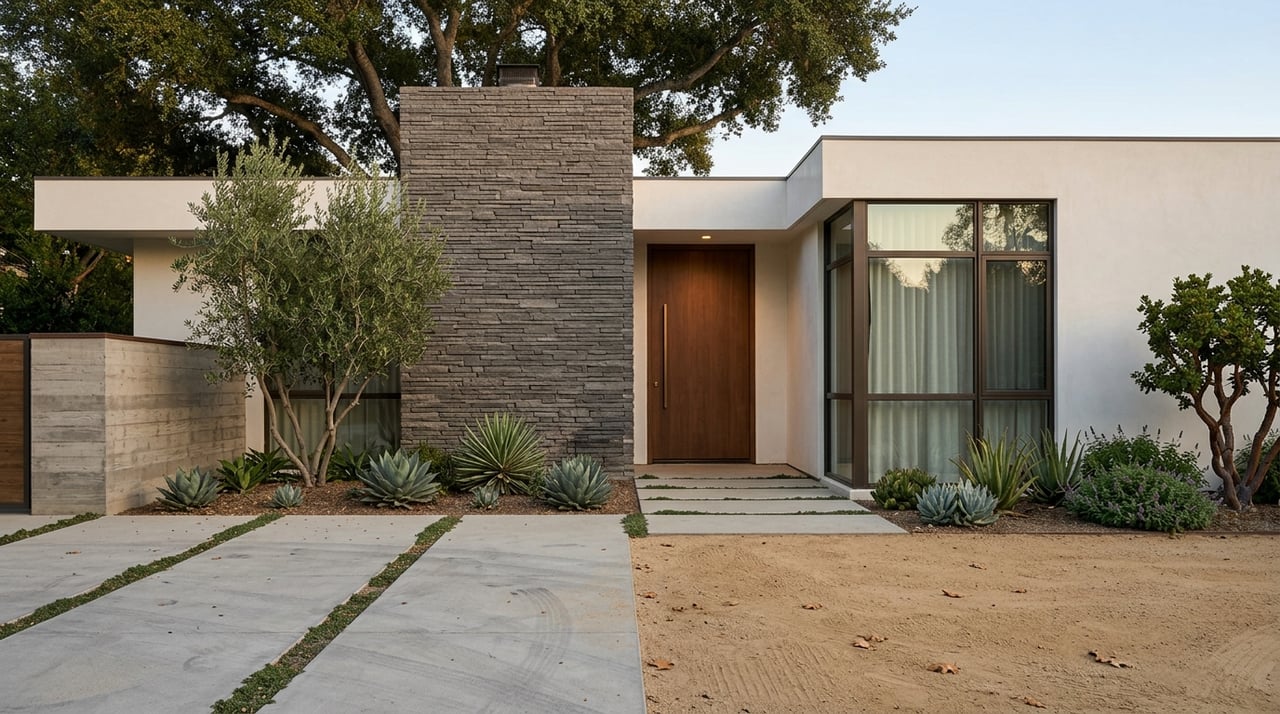
Trying to choose between Los Feliz Estates and the Hollywood Hills? At first glance, both offer hillside living, views, and standout architecture. But once you look closer, the differences become much more practical and important. If you want to buy in one of these Los Angeles areas, this guide will help you compare price, setting, housing style, and daily lifestyle so you can focus on the right fit. Let’s dive in.
Los Feliz Estates vs Hollywood Hills at a Glance
If you are comparing these two areas, the biggest difference is scale. Los Feliz Estates is a smaller, more cohesive enclave, while Hollywood Hills is a much larger collection of hillside neighborhoods.
Los Feliz Estates is tied to a planned mid-century era identity, with homes generally dating from 1963 to 1985. Hollywood Hills, by contrast, stretches across a broad part of the eastern Santa Monica Mountains and includes many distinct neighborhoods such as Laurel Canyon, Beachwood Canyon, Mt. Olympus, Hollywood Knolls, Nichols Canyon, and Lake Hollywood Estates.
For you as a buyer, that means Los Feliz Estates often feels more curated and internally consistent. Hollywood Hills gives you more variety, but it also requires more block-by-block and canyon-by-canyon evaluation.
Market Identity and Neighborhood Feel
Los Feliz Estates feels more unified
Los Feliz Estates reads as a defined hillside pocket within the larger Los Feliz and Griffith Park area. Its history and home age range support the idea of a more coordinated neighborhood, rather than a hillside area that evolved over many decades in many different styles.
That can matter if you want a neighborhood with a stronger visual rhythm. In Los Feliz Estates, buyers are often drawn to the sense of continuity, larger homes, and the clearer identity of the enclave itself.
Hollywood Hills offers more range
Hollywood Hills is best understood as an umbrella market. The City of Los Angeles describes it as a broader area made up of many neighborhoods, each with its own character, topography, and housing mix.
That wider spread creates more possibilities. It also means one Hollywood Hills property may feel completely different from another, even if both share the same general area label.
Architecture and Home Style
Los Feliz Estates leans mid-century
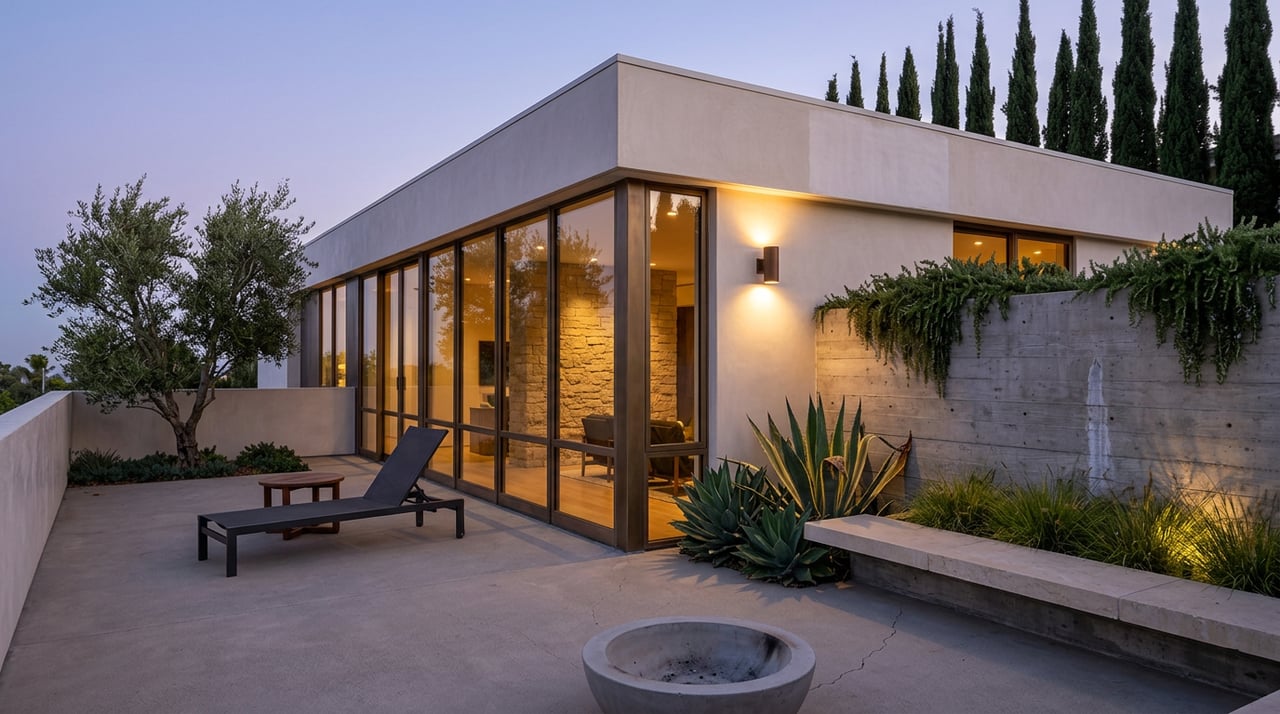
If design matters to you, Los Feliz Estates has a strong advantage in consistency. The area is closely associated with mid-century era homes, and the neighborhood’s history supports that identity.
Because of that, buyers who want clean lines, larger footprints, and a more cohesive architectural setting often find Los Feliz Estates easier to narrow in on. It tends to feel like a specific product type rather than a broad category.
Hollywood Hills is more eclectic
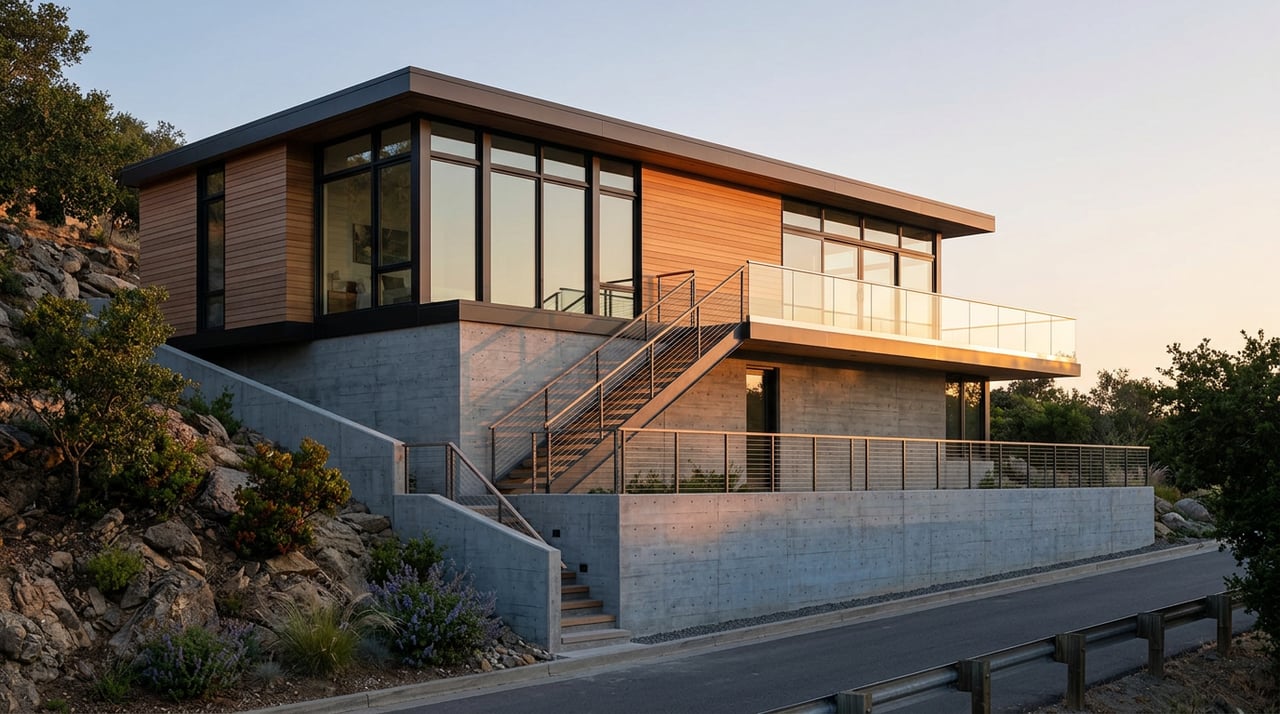
Hollywood Hills is known for dramatic topography and a wide architectural mix. The area includes homes shaped by steep lots, canyon settings, ridge locations, and view-driven design.
That can be a major plus if you want something more unusual. Whether you prefer a tucked-away canyon house or a view-oriented hillside home, Hollywood Hills typically offers a broader range of choices than Los Feliz Estates.
Daily Lifestyle and Convenience
Los Feliz Estates has stronger village access
One of the clearest lifestyle advantages of Los Feliz Estates is its connection to the larger Los Feliz area. Los Feliz Village is described as a highly walkable commercial district with restaurants, boutiques, bars, and wellness-oriented businesses.
If you want hillside privacy without feeling far removed from daily errands or casual outings, that balance can be appealing. Los Feliz also offers close access to Griffith Park, which adds another layer of convenience for outdoor time and recreation.
Hollywood Hills is more spread out
Hollywood Hills offers access to major cultural landmarks and civic amenities, including the Hollywood Bowl, Ford Amphitheatre, libraries, and the Hollywood Farmers Market. But the experience is usually less village-centered and more dependent on the specific pocket you choose.
For some buyers, that is exactly the appeal. If your priority is privacy, topography, and a more dramatic setting, Hollywood Hills may feel more compelling than a neighborhood anchored by a nearby commercial core.
Price Positioning for Buyers
Los Feliz Estates is the more premium enclave
From a pricing standpoint, Los Feliz Estates generally sits above broader Los Feliz and Hollywood Hills benchmarks. Neighborhoods.com describes it as a community of large, high-value homes, with a median sale price of $3.743 million, average price per square foot around $950, and current pricing roughly from $2.495 million to $4.4998 million.
That places Los Feliz Estates in a more premium enclave category. If you are shopping here, you are usually paying for a more specific neighborhood identity, larger homes, and a tighter supply profile.
Hollywood Hills has wider price dispersion
Current portal data shows broader Hollywood Hills pricing below Los Feliz Estates overall, though methodologies differ. Redfin reports a March 2026 median sale price of $1.739 million, while Zillow shows an average home value of $1.955 million.
The main takeaway is not just the number. It is the spread. Because Hollywood Hills covers so many subareas, pricing can vary substantially depending on the exact neighborhood, lot type, views, and access.
Broader Los Feliz sits between them
For added context, broader Los Feliz currently lands around the high-$1 million to low-$2 million range depending on the source. Redfin reports a March 2026 median sale price of $2.225 million, Zillow shows an average home value of $1.899 million, and Realtor.com lists a median asking price of $2.32 million.
These figures are best read directionally, since each platform uses its own methodology. Still, they help show how Los Feliz Estates often trades at a premium even within an already desirable area.
Schools and Buyer Planning
If school access is part of your home search, both areas connect to recognized LAUSD options. In Los Feliz, examples include Franklin Avenue Elementary, a 2025 California Distinguished School, Los Feliz STEMM Magnet, and Ivanhoe Elementary.
In Hollywood Hills, nearby LAUSD options include Cheremoya Avenue Elementary and Valley View Elementary. Since school assignment can depend on the exact address, LAUSD says resident school boundaries should be verified using its Resident School Identifier tool.
Which Area Fits Your Buying Goals?
Choose Los Feliz Estates if you want consistency
Los Feliz Estates may be the stronger fit if you want:
- A smaller and more defined hillside enclave
- Mid-century character and a more unified visual feel
- Larger, high-value homes in a premium pocket
- Easier connection to Los Feliz Village
- Good access to Griffith Park and the broader Los Feliz lifestyle
This option often works well for buyers who want a design-minded neighborhood feel with a more curated identity.
Choose Hollywood Hills if you want variety
Hollywood Hills may be the stronger fit if you want:
- A wider range of architectural styles and lot types
- More canyon, ridge, and dramatic view settings
- A larger search area with multiple neighborhood options
- More variation in pricing and property character
- Access patterns that can connect toward both the Westside and the Valley
This option often works well for buyers who want flexibility and are willing to evaluate each pocket on its own terms.
The Bottom Line for Los Angeles Buyers
If you are deciding between Los Feliz Estates and the Hollywood Hills, the best choice depends on how specific or flexible you want your search to be. Los Feliz Estates is the more curated enclave option, while Hollywood Hills is the more famous and more variable hillside option.
For many buyers, the decision comes down to lifestyle rhythm. If you want a more cohesive mid-century hillside setting with easier ties to Los Feliz Village and Griffith Park, Los Feliz Estates may be the better match. If you want broader inventory, more dramatic topography, and more architectural range, Hollywood Hills may offer more paths to the right home.
If you want help comparing current listings, pricing, and property fit in Los Feliz Estates or nearby hillside neighborhoods, Michael Druker can help you refine your search and move with clarity.
FAQs
What is the main difference between Los Feliz Estates and Hollywood Hills for buyers?
- Los Feliz Estates is a smaller, more cohesive mid-century hillside enclave, while Hollywood Hills is a much larger umbrella market made up of many distinct neighborhoods.
Is Los Feliz Estates more expensive than Hollywood Hills?
- Based on the research provided, Los Feliz Estates generally sits at a higher price point, with a reported median sale price of $3.743 million versus broader Hollywood Hills figures around $1.739 million to $1.955 million depending on source and methodology.
What kind of homes can you expect in Los Feliz Estates?
- Los Feliz Estates is most closely associated with large, high-value homes from the 1963 to 1985 period, giving it a stronger mid-century era identity.
What kind of homes can you expect in Hollywood Hills?
- Hollywood Hills offers a wider architectural mix shaped by canyons, ridges, steep lots, and view-oriented settings across many different neighborhood pockets.
Is Los Feliz Estates closer to walkable retail and dining?
- Yes. Los Feliz Estates benefits from closer connection to Los Feliz Village, which is described as a highly walkable commercial district with restaurants, boutiques, and other everyday amenities.
How should buyers verify school assignments in Los Feliz Estates or Hollywood Hills?
- Buyers should verify school assignment by exact property address using LAUSD’s Resident School Identifier, since attendance boundaries are generally tied to the home address.