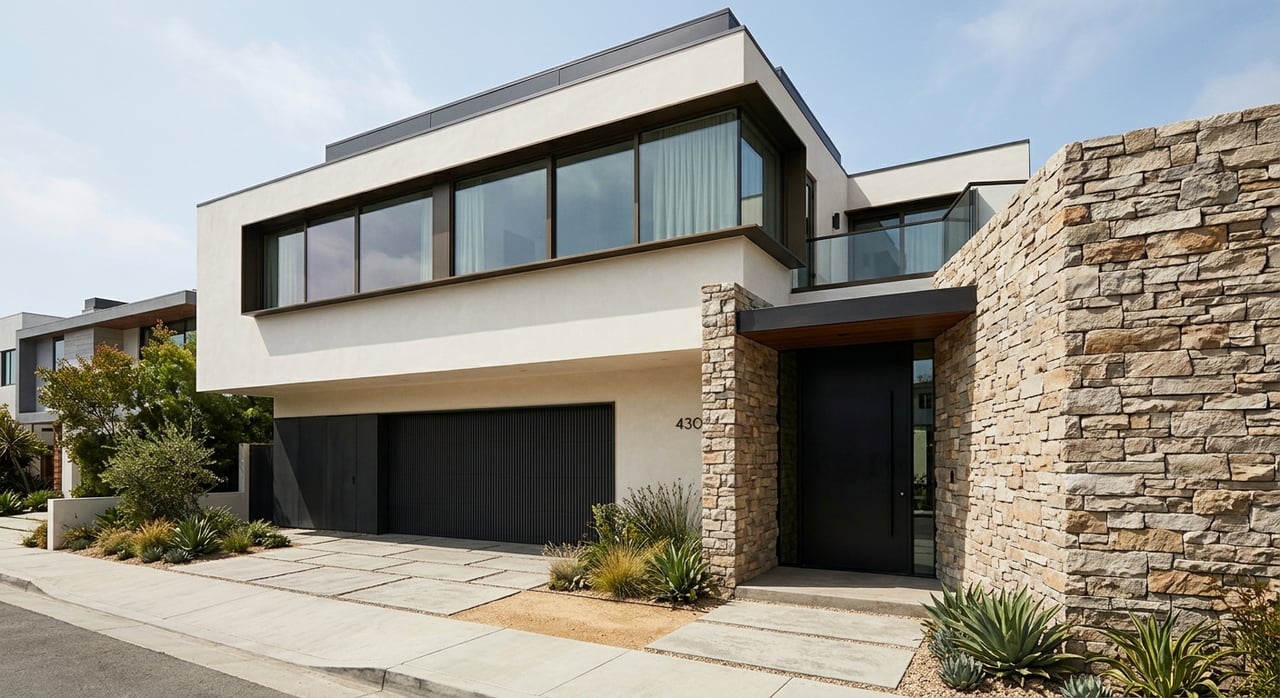
If you have been watching Atwater Village, you have probably noticed that “new construction” here does not look like a giant master-planned rollout. Instead, it shows up in smaller, design-forward pockets that can be easy to miss until a fresh set of modern homes hits the market. If you are trying to decide whether to buy, sell, or simply understand where the neighborhood is headed, this guide will help you make sense of the numbers, the product, and the buyer appeal. Let’s dive in.
Atwater Village new construction at a glance
Atwater Village remains a high-price, relatively tight market, but the exact headline number varies by source. Recent neighborhood data shows a median sale price around $1.4 million, while other market snapshots place median or typical values in a band from roughly $1.25 million to $1.49 million. Taken together, that points to a neighborhood with strong pricing, but not one single figure that tells the whole story.
Pace matters too. Recent neighborhood snapshots show homes spending about 45 to 54 days on market, with one short-term snapshot of new listings showing 7 fresh listings at a median list price of $1.38 million and about 1 offer per home. That suggests Atwater Village is still competitive, but buyers have more room to compare options than they would in a market where everything disappears instantly.
Small-lot infill is driving change
Atwater Village is not being reshaped by one massive development. The pattern is gradual infill, where older single-family or duplex properties are replaced by compact clusters of new homes. That has included projects such as three small houses under construction on Atwater Avenue, eight small-lot homes planned on Willimet Avenue, and earlier groups of 17 small-lot homes.
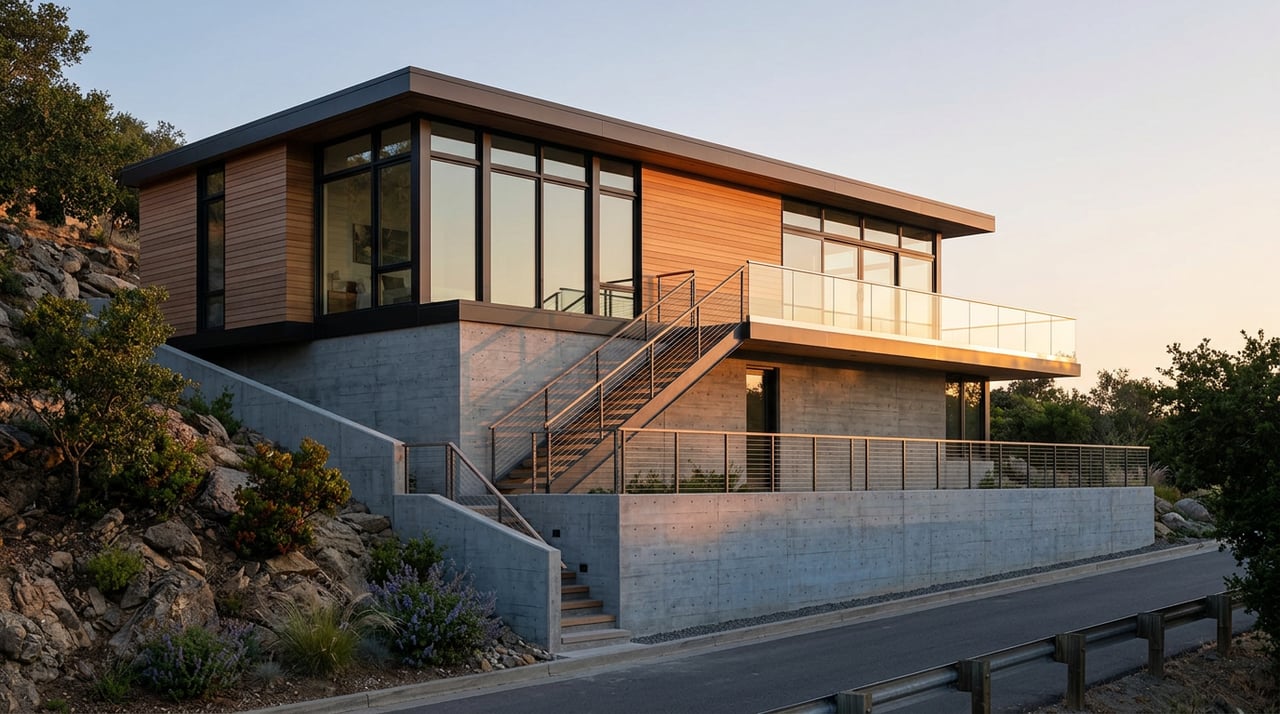
This matters because it changes the feel of new inventory in the neighborhood. Rather than broad-lot, suburban-style homes, you are more likely to see compact modern houses designed to make the most of smaller footprints. In a neighborhood with a large amount of older housing stock dating back to the 1920s, that creates a clear contrast between legacy homes and newer infill product.
Why the homes look the way they do
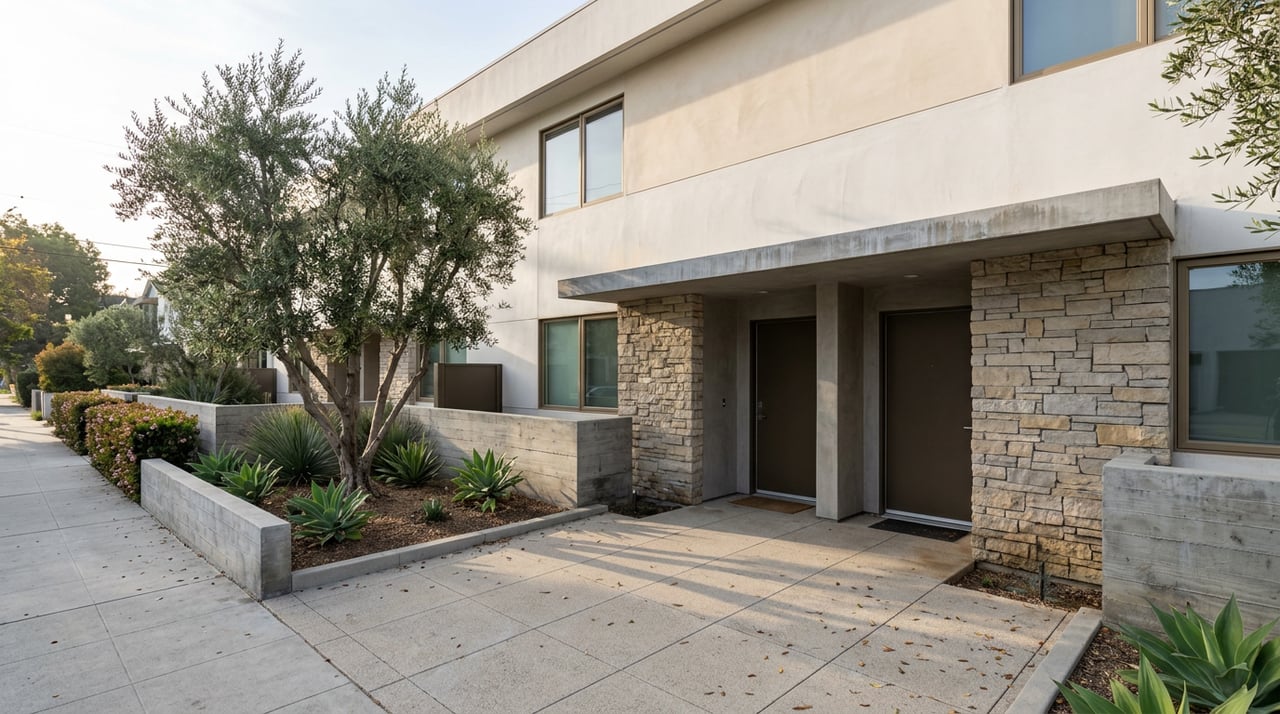
Local planning rules help explain the design language. The Atwater Village Pedestrian Oriented District calls for features such as facade articulation, pedestrian-facing entrances, and setbacks that support plazas, courtyards, or landscaping. City small-lot design standards also guide how homes face the street or pathway and how entries, rooflines, landscaping, and shared open areas are handled.
In practical terms, that means much of Atwater Village new construction is built with a stronger street presence and a more considered architectural layout. You are not just seeing homes stacked onto a lot. You are seeing homes shaped by rules that encourage walk-up entries, visual variation, and outdoor elements that fit a more urban neighborhood setting.
What a typical new-construction home includes
If you tour enough newer homes in Atwater Village, a pattern starts to emerge. Many small-lot homes fall in the 1,650 to 1,900 square foot range, often with three bedrooms and three to four levels. A ground-floor garage or entry-level suite is common, while the main living spaces are often moved upstairs to capture light, privacy, and better indoor-outdoor flow.
Rooftop decks and terraces are a major part of the package. One proposed Willimet Avenue project, for example, featured eight three-story homes of roughly 1,659 to 1,717 square feet, each with three bedrooms, three-and-a-half baths, two-car garages, and rooftop terraces. The layout included a ground-floor guest bedroom, upper-level bedroom suites, and a top-floor living and kitchen area opening to a large terrace and roof deck.
That format captures what many buyers want from Eastside modern living. Instead of a large yard, the value often comes from flexible space, private outdoor areas, and a layout that feels tailored to how people live now.
Finishes and features buyers expect
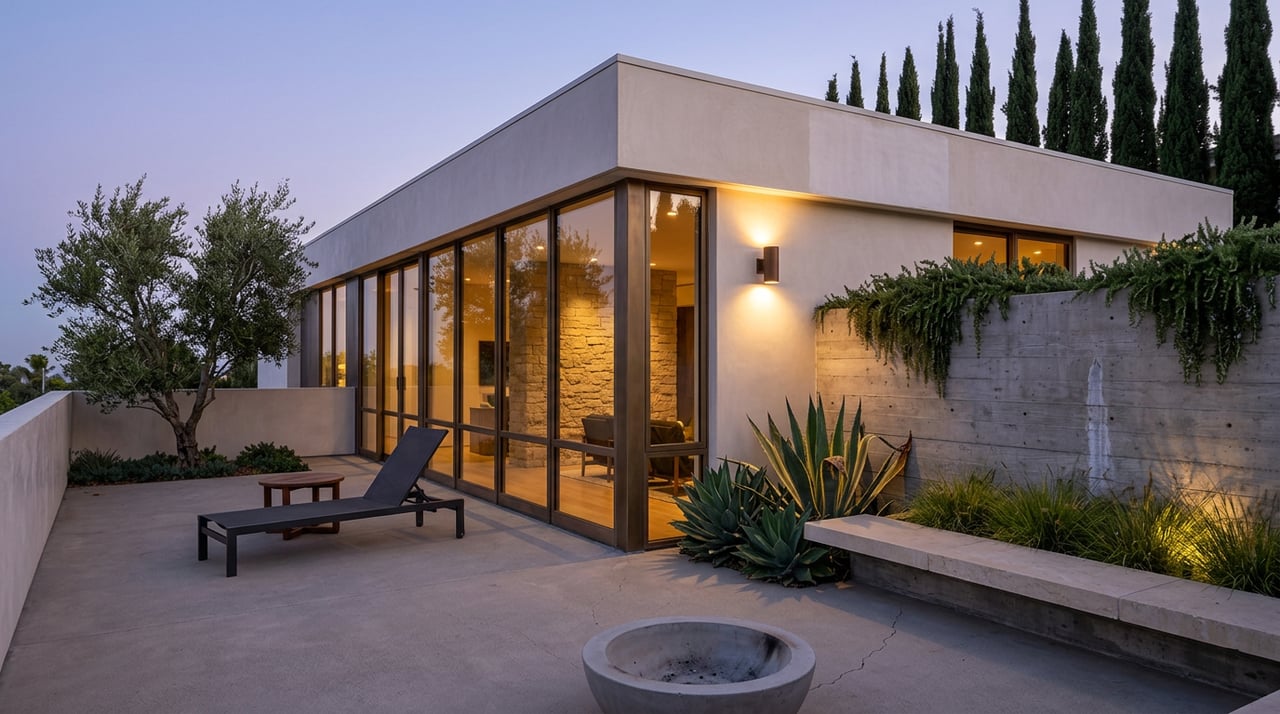
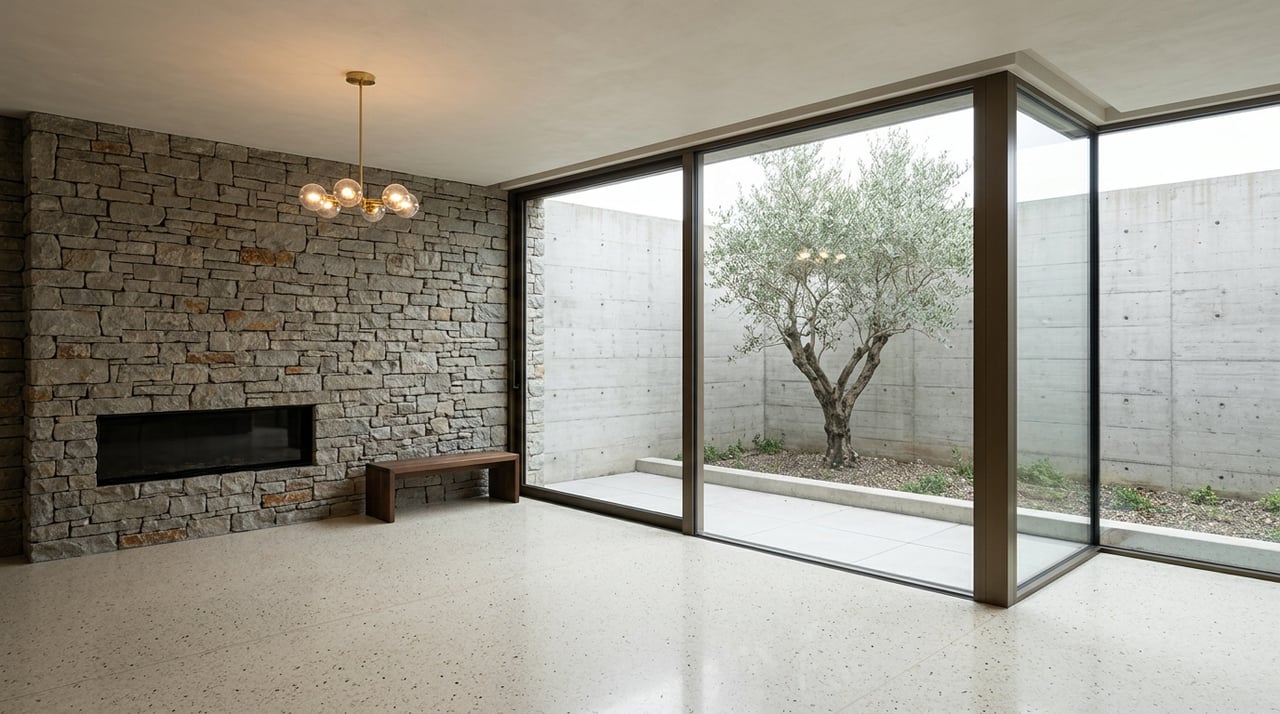
The finish package in Atwater Village’s newer homes is fairly consistent. Recent examples have highlighted polished concrete floors, bamboo or engineered wood flooring, quartz or marble counters, Bosch or Bertazzoni appliances, floating steel stairs, vaulted ceilings, walls of glass, solar panels, and EV-ready garages.
Private outdoor space also shows up again and again. Landscaped entries, private courtyards, roof decks, and indoor-outdoor flow are all part of the appeal. In other words, these homes are not just selling square footage. They are selling a design-led, low-maintenance lifestyle with newer systems and a more turnkey feel.
Pricing for new construction in Atwater Village
Recent new-construction sales in Atwater Village have clustered in the low-to-mid $1 million range. Useful examples include homes on Casitas Avenue that sold at $1.13 million and $1.15 million, along with a Perlita Avenue home that sold at $1.36 million. On a price-per-square-foot basis, those examples ranged from about $610 to $887.
That spread tells you something important. Buyers are not rewarding every new home equally. Design, layout, finish level, and overall value proposition appear to matter a great deal, especially in a neighborhood where buyers can compare new infill homes against distinctive older properties.
Homes are selling, but buyers are selective
Absorption in Atwater Village looks healthy, but not automatic. In the recent examples above, list-to-sale timing ranged from about 49 days to 117 days, and one property went through multiple price adjustments before closing. That aligns with broader neighborhood data showing around 54 days on market.
For buyers, this means you may have time to evaluate trade-offs instead of rushing into every listing. For sellers and developers, it means presentation and pricing need to line up closely with the comp set. New construction can move well here, but it still has to feel convincingly positioned.
New construction versus older bungalows
One of the most interesting parts of the Atwater Village market is that new construction is not replacing the appeal of older homes. It is competing with it. Existing bungalows still attract plenty of interest because they often offer larger lots, mature landscaping, and more obvious room for future use or reconfiguration.
Current listing examples make that contrast clear. A 1936 Craftsman on Atwater Avenue offered 1,520 square feet, a bonus space, and a 6,603 square foot lot, while a restored 1923 bungalow on Baywood paired a smaller main house with a detached back unit and a substantial list of system updates. Those homes offer a different kind of value than a newer small-lot modern.
If you are deciding between the two, the choice often comes down to lifestyle. A new home may give you a cleaner, more turnkey experience with contemporary finishes, rooftop outdoor space, and newer infrastructure. An older bungalow may offer more land, more character, and greater long-term flexibility, but it can also involve more upkeep depending on condition and prior updates.
Where Atwater Village fits on the Eastside
Atwater Village sits in a useful middle position within the broader Eastside pricing ladder. Recent market snapshots show it close to Silver Lake in pricing, above Echo Park and Glassell Park, and below Los Feliz. That helps explain why the neighborhood continues to draw attention from buyers looking for a design-conscious Eastside location without jumping to the higher pricing seen in some nearby markets.
This also supports the way new construction is being received. Buyers who are priced out of one nearby neighborhood may look at Atwater Village and see a compelling mix of modern product, established neighborhood fabric, and relatively limited new inventory. That mix tends to keep interest steady.
What buyers should watch now
If you are shopping for new construction in Atwater Village, it helps to focus on a few practical questions:
- How does the layout use vertical space?
- Is the outdoor space truly functional, or mostly decorative?
- Does the finish package feel consistent throughout the home?
- How does the asking price compare with recent small-lot sales nearby?
- Are you prioritizing turnkey living, or would a larger-lot older home better fit your goals?
Because inventory remains limited, each new listing can feel unique. That makes side-by-side comparison especially important.
What sellers and developers should understand
If you own a newer home or are planning a small infill project, Atwater Village rewards strong positioning. Buyers here tend to notice architecture, flow, light, and outdoor usability. They are not simply checking a box for “new construction.”
That is why pricing discipline matters. So does visual presentation. In a neighborhood where homes can take several weeks to sell, the listings that stand out are often the ones that present a clear lifestyle story and make it easy for buyers to understand what makes the product special.
Atwater Village’s new-construction market is best understood as a gradual modernization story. Volume is still relatively small, but the design intent is high, and the contrast with the neighborhood’s older housing stock is shaping buyer expectations in real time. If you understand that balance, you are already in a much better position to navigate the market.
If you are thinking about buying, selling, or evaluating a small-lot opportunity in Atwater Village, working with someone who understands Eastside design-driven housing can make the process much clearer. Explore listings or schedule a consultation with Michael Druker.
FAQs
What defines new construction in Atwater Village?
- In Atwater Village, new construction is often small-lot or infill housing rather than large-scale development, with compact, design-forward homes replacing older structures on select sites.
What price range do new homes in Atwater Village usually fall into?
- Recent new-construction sales cited in the market have generally landed in the low-to-mid $1 million range, though pricing varies based on size, design, finish level, and location.
What floor plans are common in Atwater Village new-construction homes?
- Many newer homes offer about 1,650 to 1,900 square feet, three bedrooms, multiple levels, an attached garage, and rooftop decks or terraces.
How fast are new-construction homes selling in Atwater Village?
- Recent examples and neighborhood-level data suggest homes often spend around 45 to 54 days on market, though some sales have taken longer depending on pricing and presentation.
How does Atwater Village new construction compare with older bungalows?
- New construction often offers contemporary finishes, newer systems, and lower-maintenance living, while older bungalows may offer larger lots, mature landscaping, and different long-term use potential.
Is Atwater Village seeing large-scale redevelopment?
- The current pattern is better described as gradual infill modernization, with smaller clusters of new homes appearing over time rather than wholesale neighborhood replacement.