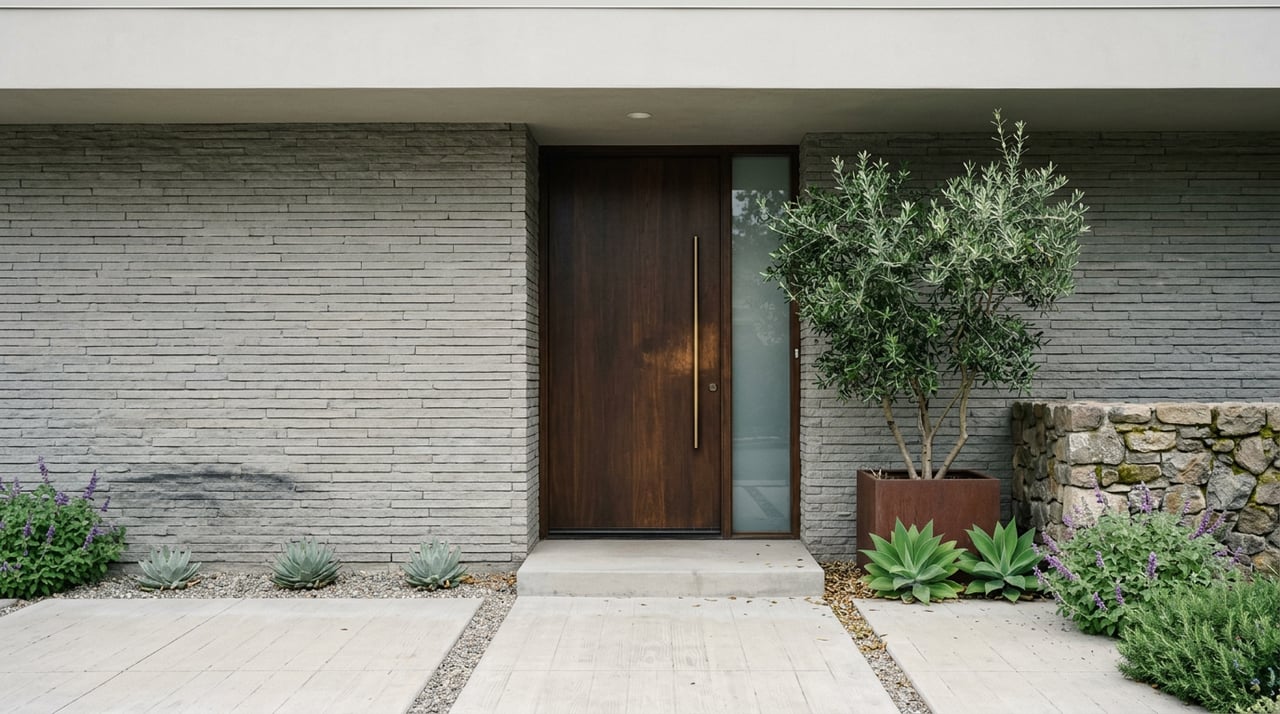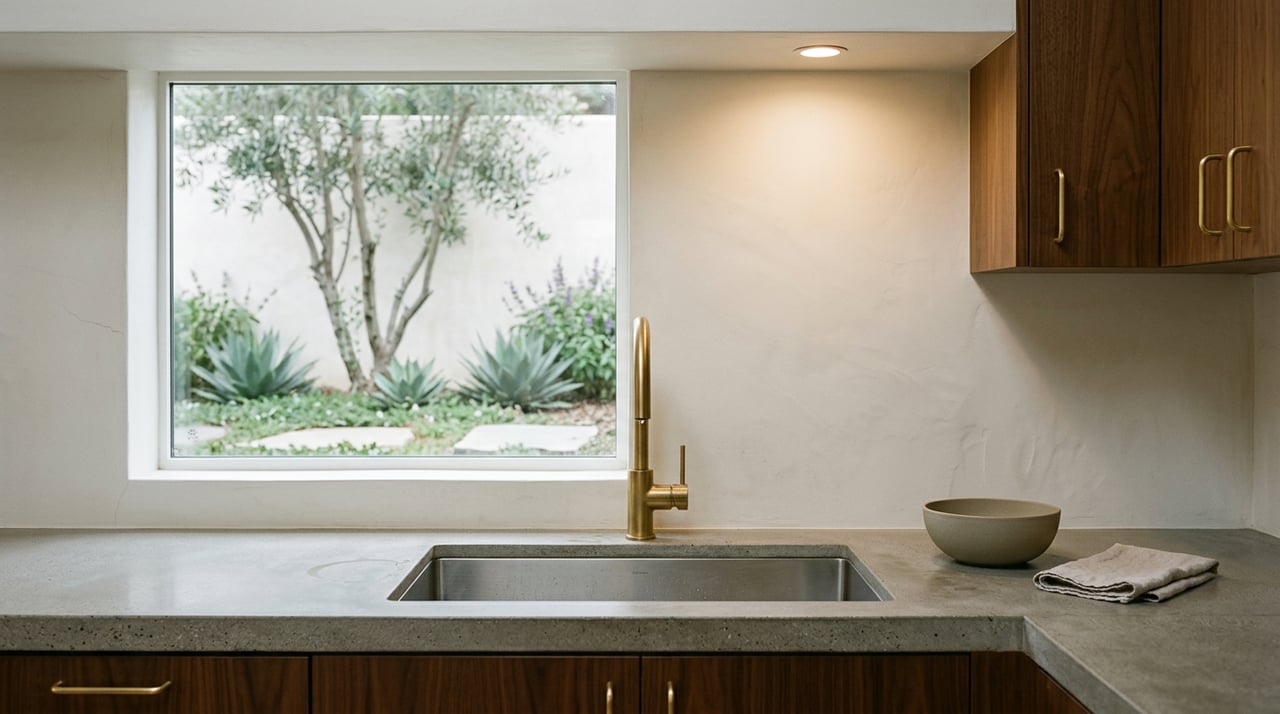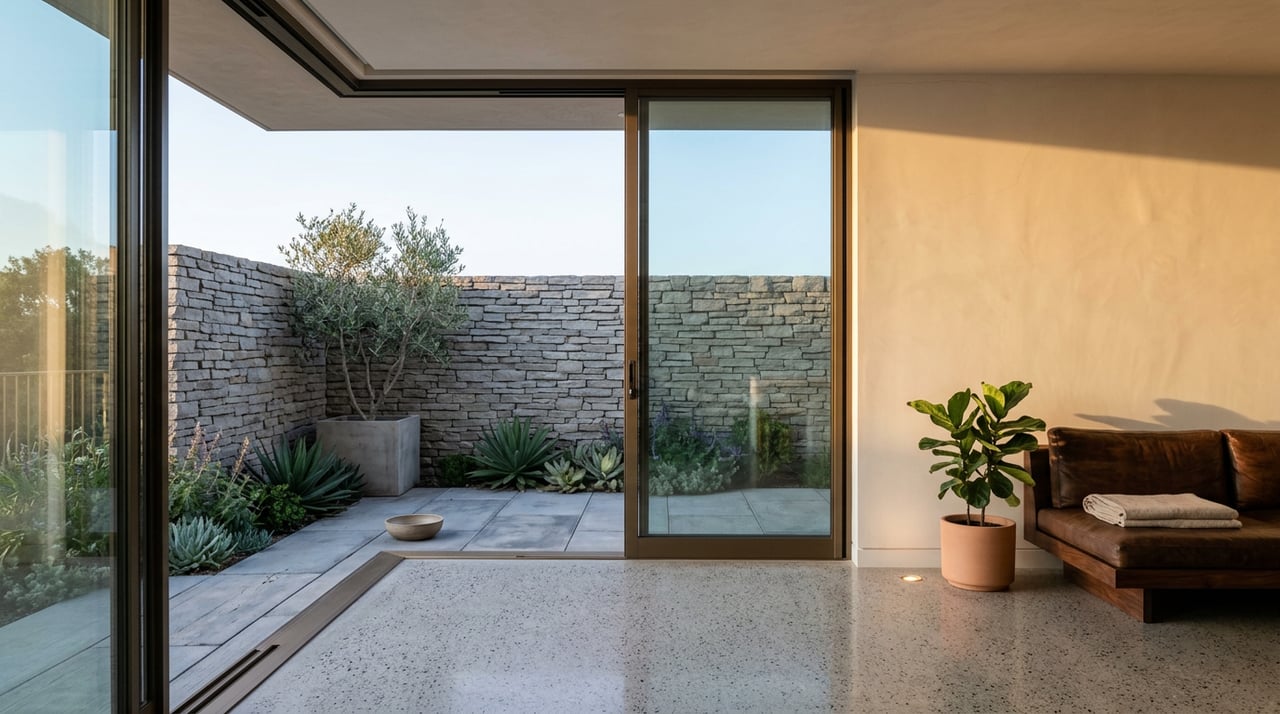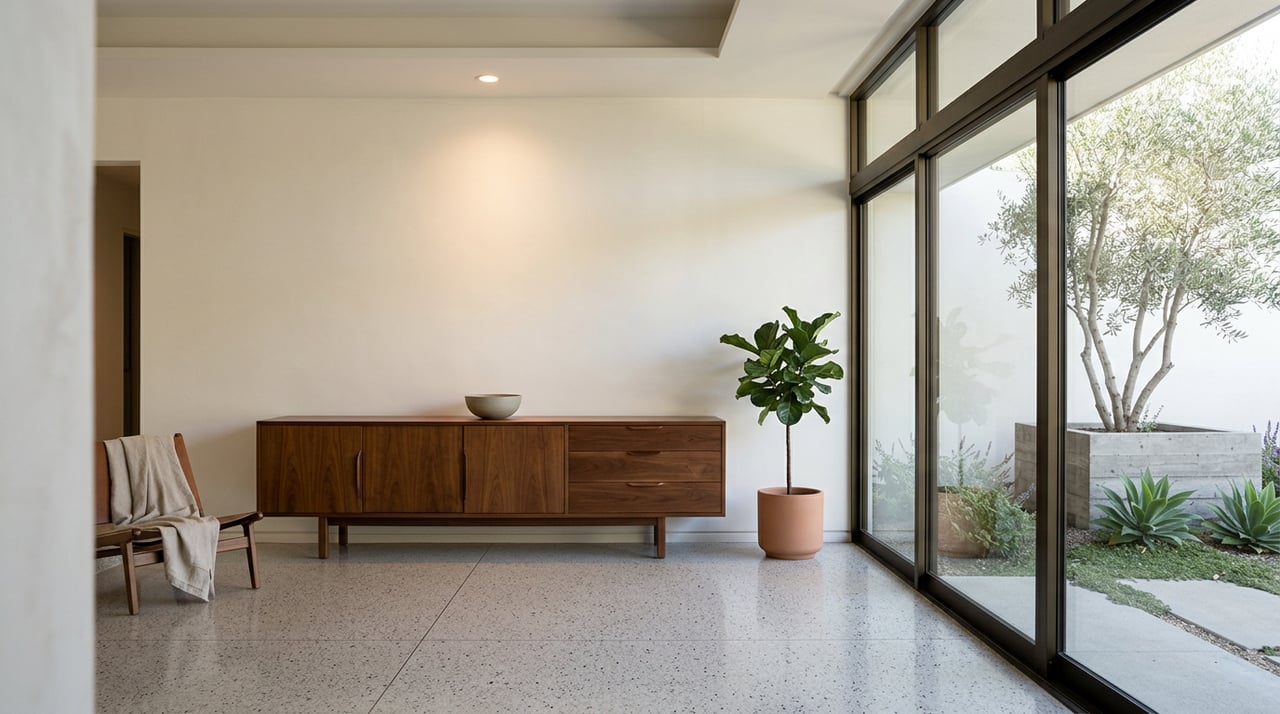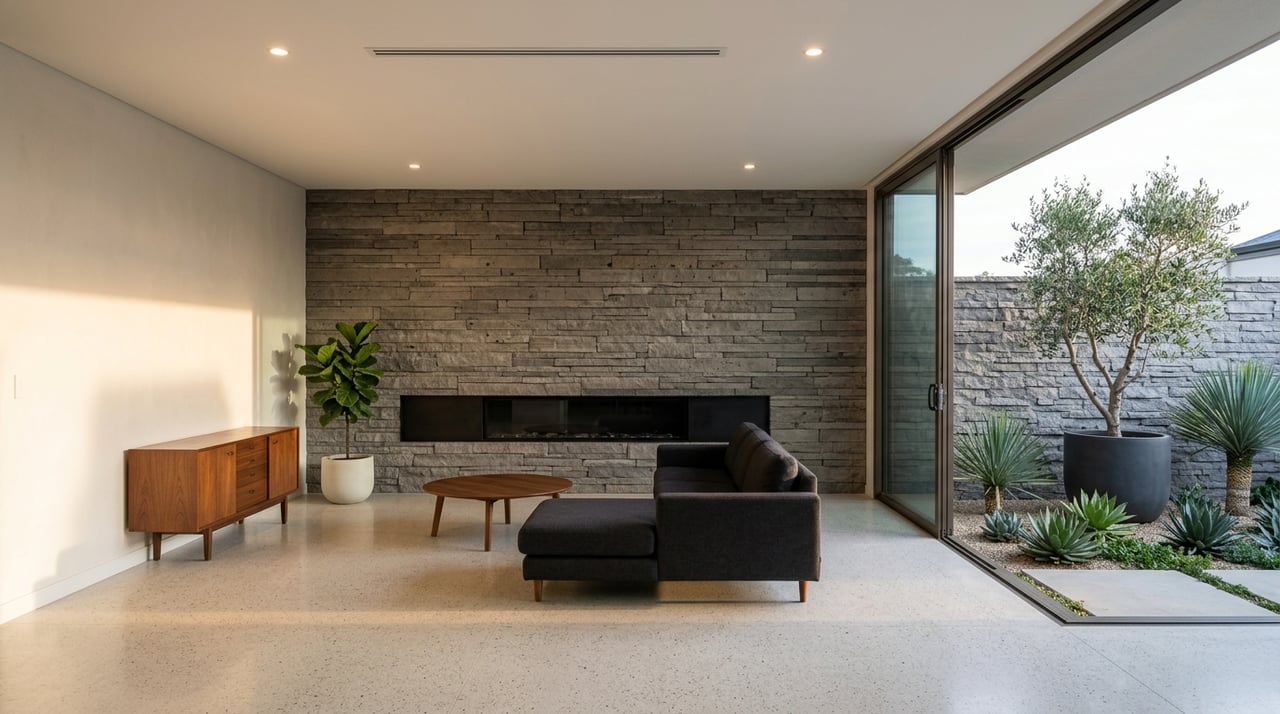
If you own a mid-century home in Los Feliz Estates, you are not just selling square footage. You are bringing a piece of Los Angeles design culture to market. That can feel exciting, but it also raises real questions about what to preserve, what to update, and how to launch in a way that attracts serious buyers. This guide walks you through how to prepare, position, and present a mid-century Los Feliz Estates home so its architecture, setting, and lifestyle value come through clearly. Let’s dive in.
Why Los Feliz Estates Needs a Different Approach
Los Feliz Estates is best understood as an architecture-driven hillside market, not a one-size-fits-all luxury neighborhood. In Los Feliz, design significance matters, and the broader area includes landmark homes such as Hollyhock House that help shape buyer expectations around architecture, originality, and cultural value.
That context matters when you sell. Buyers drawn to Los Feliz Estates often respond to a home’s relationship to the site, its privacy, its views, and how well the architecture connects indoor and outdoor living. The Los Feliz Neighborhood Council’s hillside district map is a reminder that this is a micro-market where location, access, and outlook can affect how your home is perceived.
Mid-Century Features Buyers Notice
Mid-century modern homes tend to stand out because the design is both simple and intentional. According to the National Park Service’s description of the Milt Davis House, defining features of the style often include geometric forms, flat roofs, exposed structure, minimal ornament, open layouts, and large areas of glass.
In hillside Los Feliz, buyers also tend to notice the details that support the original concept of the home. Redwood siding, open decks, natural materials, and view-oriented siting can all strengthen the story of a property. These are not background features. They are often part of what makes a buyer feel that the home is authentic.
Keep the Architectural Story Intact
When preparing a mid-century home for sale, the safest strategy is usually to restore and refine rather than remodel away. Clear forms, visual openness, ceiling height, large windows, and strong indoor-outdoor transitions are central to the design language, so preserving those elements can help your home show more convincingly.
That does not mean you should ignore practical updates. A useful example is the Charlotte and Robert Disney Bungalow restoration, where modern systems, seismic upgrades, and sustainable improvements were integrated without erasing historic character. For sellers, the lesson is simple: improve performance quietly, but do not strip out the features that give the house its identity.
What to Update Before Listing
Not every pre-sale project adds value in the same way. In a design-sensitive market like Los Feliz Estates, buyers often respond best when a home feels well cared for, functional, and visually coherent.
Focus first on updates that support the architecture instead of competing with it. That may include maintenance to existing windows and doors, subtle lighting improvements, refreshed natural materials, or repairs that make decks, glazing, and circulation spaces feel clean and intentional.
Prioritize Quiet Infrastructure Upgrades
If your home already has meaningful system improvements, make sure they are documented and ready to present. Buyers increasingly pay attention to resilience and environmental considerations during their search.
According to Zillow’s 2025 buyer research, 82% of prospective buyers considered at least one climate risk, with strong interest in air quality, noise levels, climate risk, and earthquake risk. Redfin’s Los Feliz climate and market data also notes widespread wildfire risk and a major heat factor in the area, which makes features such as defensible space, roof and electrical maintenance, shading, and air filtration more relevant if your property has them.
Stage for Space, Light, and Views
Staging a mid-century property should help buyers understand the architecture, not distract from it. The goal is to let the lines of the house, the flow of the rooms, and the quality of light do the work.
The National Association of Realtors’ 2025 staging report found that the most common seller improvements include decluttering, whole-home cleaning, and curb appeal. The same report shows that the living room, primary bedroom, and kitchen are the rooms buyers and agents care about most.
Where to Spend the Staging Budget
In Los Feliz Estates, staging should usually focus on the spaces that create the strongest emotional impression:
- Living room for volume, glass, and connection to views
- Kitchen for flow and usability within the open plan
- Primary bedroom for calm, privacy, and light
- Outdoor areas for terraces, decks, and hillside lifestyle
- Front approach for a composed first impression
If the home will be vacant, NAR reports a median staging-service spend of $1,500. More important than the number, though, is the strategy. Clear sightlines, restrained furnishings, and edited outdoor spaces often work better than over-styling in a mid-century setting.
Photography Matters More Than Ever
For a design-led property, visuals are not a finishing touch. They are part of the sales strategy from day one. Strong photography helps buyers understand the home before they ever schedule a showing.
According to a National Association of Realtors article on online visibility, 81% of buyers rate listing photos as the most useful feature in their online search. Zillow’s buyer research also found that a floor plan, high-resolution photos, and a 3D or virtual tour rank among the most valued listing features.
What the Photo Sequence Should Show
A mid-century Los Feliz Estates listing should tell a clear visual story. In most cases, that means leading with the exterior architecture or a strong view, then moving through the home in a way that feels natural and complete.
Your launch package should typically include:
- A hero image of the facade, terrace, or panoramic view
- High-resolution photos of key public rooms
- Images that show the indoor-outdoor sequence
- A floor plan that explains the layout clearly
- Outdoor living areas, decks, and approach shots
- A 3D or virtual tour if available
For architecture-driven homes, it helps to have all of this ready at launch rather than adding pieces later. Early momentum matters online, and buyers often form their impression within the first few days.
Price and Timing Need Precision
Even in a premium neighborhood, strong outcomes are not automatic. Pricing and timing still matter, especially in a market where buyers have more choices.
Redfin’s Los Feliz housing market data shows a median sale price of $2,225,000 in March 2026, up 21.9% year over year. At the same time, median days on market rose to 148, while the sale-to-list ratio reached 102.3% and 30.3% of homes sold above list. That combination suggests there is pricing power for the right homes, but the launch has to be accurate.
At the broader city level, Realtor.com’s Los Angeles market update showed active inventory up 6.7% year over year in February 2026, new listings down 13.7%, and the median list price down 9.3%. In practical terms, that means your home needs sharp presentation and realistic pricing from the start.
Consider the Spring Listing Window
Timing can support your strategy if you are flexible. Realtor.com’s 2026 best time to sell report identified the week of April 12 through 18 as the best national week to list, and showed March 22, 2026 as the best week for the Los Angeles-Long Beach-Anaheim metro.
That does not mean every home should wait for one week on the calendar. It does mean early spring can offer an advantage, especially when your listing package, photography, staging, and pricing are fully aligned before launch.
A Smarter Los Feliz Estates Launch
A mid-century Los Feliz Estates home usually performs best when every part of the listing supports one clear idea: this is a thoughtfully maintained architectural property with a distinct hillside lifestyle. Buyers should be able to see that story in the materials, the layout, the views, the photos, and the way the home comes to market.
That is why the process matters. From pre-listing edits to staging coordination, photography planning, pricing strategy, and distribution, a polished launch can make the difference between quick traction and costly repositioning later.
If you are considering selling, Michael Druker offers design-conscious listing strategy, hands-on launch coordination, and market-specific guidance for architecturally driven homes across Los Feliz and nearby Eastside neighborhoods.
FAQs
What should you preserve in a mid-century Los Feliz Estates home before selling?
- Focus on original design elements that support the home’s architectural identity, such as open layouts, large glass areas, ceiling height, natural materials, decks, and indoor-outdoor flow.
What updates matter most before listing a Los Feliz Estates home?
- Prioritize maintenance, cleaning, decluttering, curb appeal, and quiet system improvements that improve function without removing original character.
How should you stage a mid-century home in Los Feliz Estates?
- Keep staging restrained and architecture-focused, with the biggest attention on the living room, kitchen, primary bedroom, and outdoor spaces.
What marketing assets help a Los Feliz Estates listing stand out online?
- The most useful assets include high-resolution photography, a clear floor plan, and a 3D or virtual tour, ideally ready on launch day.
When is the best time to list a home in Los Angeles?
- Early spring can be a strong listing window, and Realtor.com identified March 22, 2026 for the Los Angeles metro and April 12 through 18 nationally as leading timing windows in 2026.
How is the Los Feliz market performing for sellers?
- Recent data shows strong pricing potential in Los Feliz, but longer days on market and higher inventory across Los Angeles mean sellers benefit from precise pricing and a polished launch strategy.